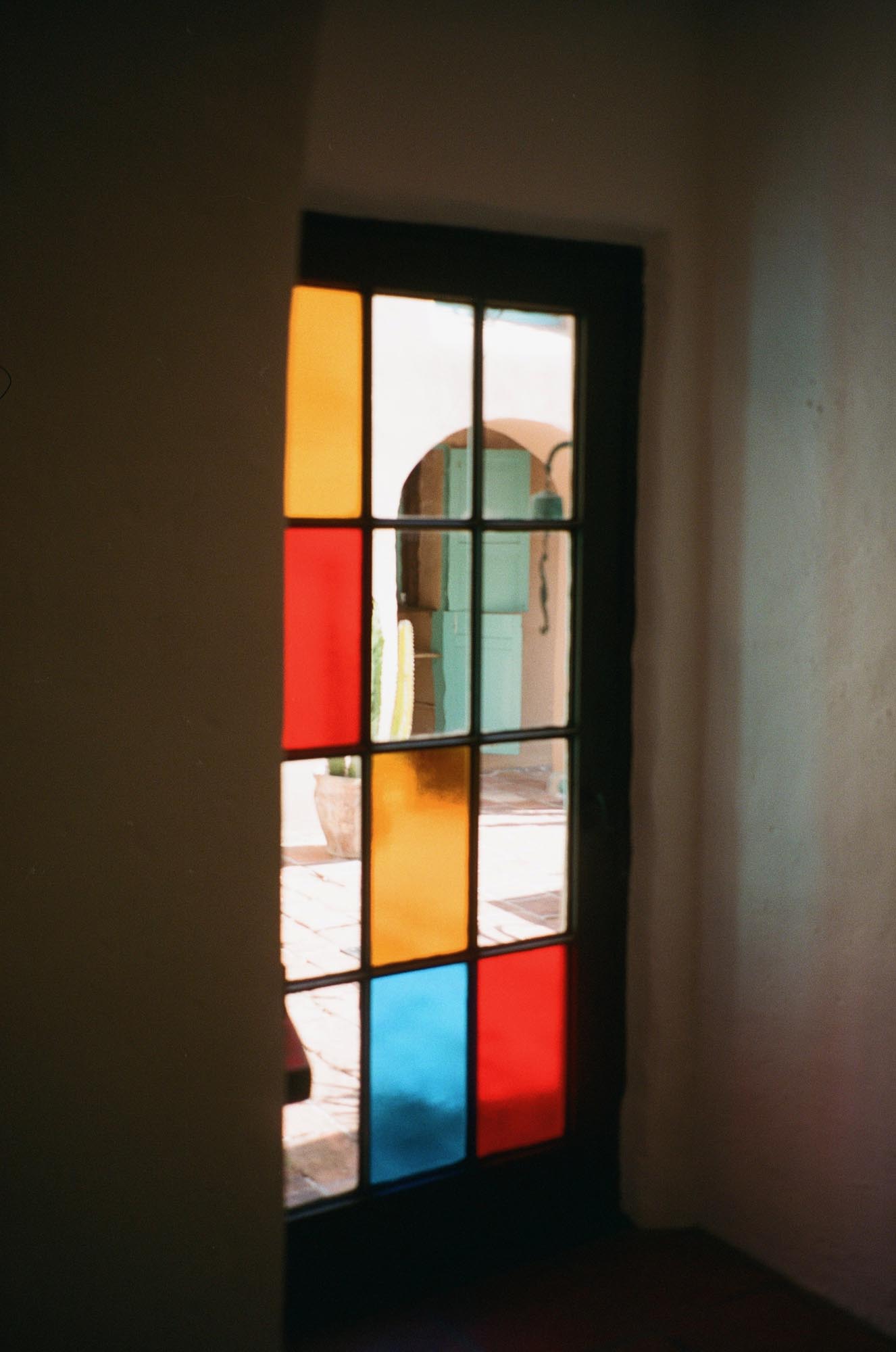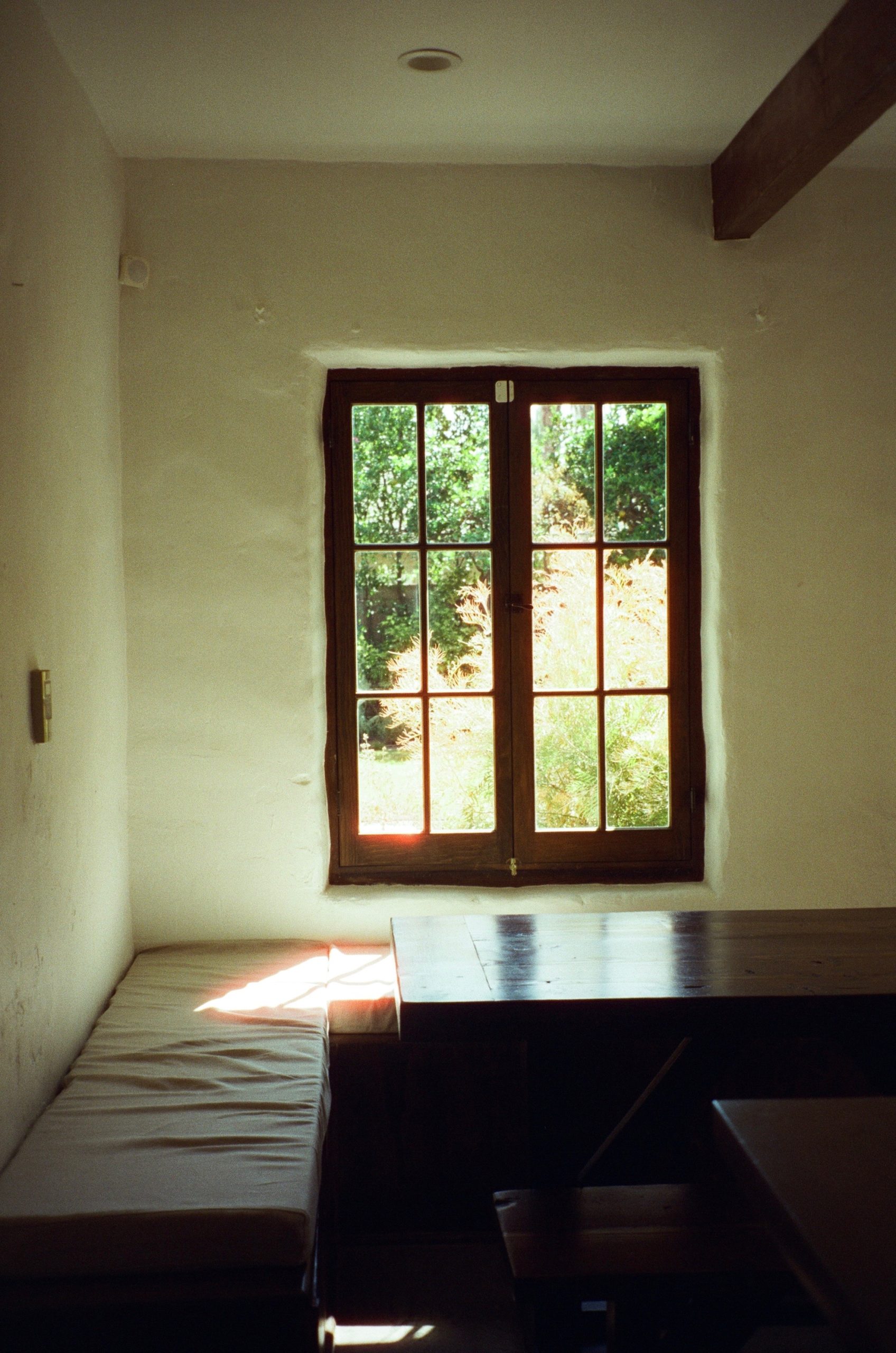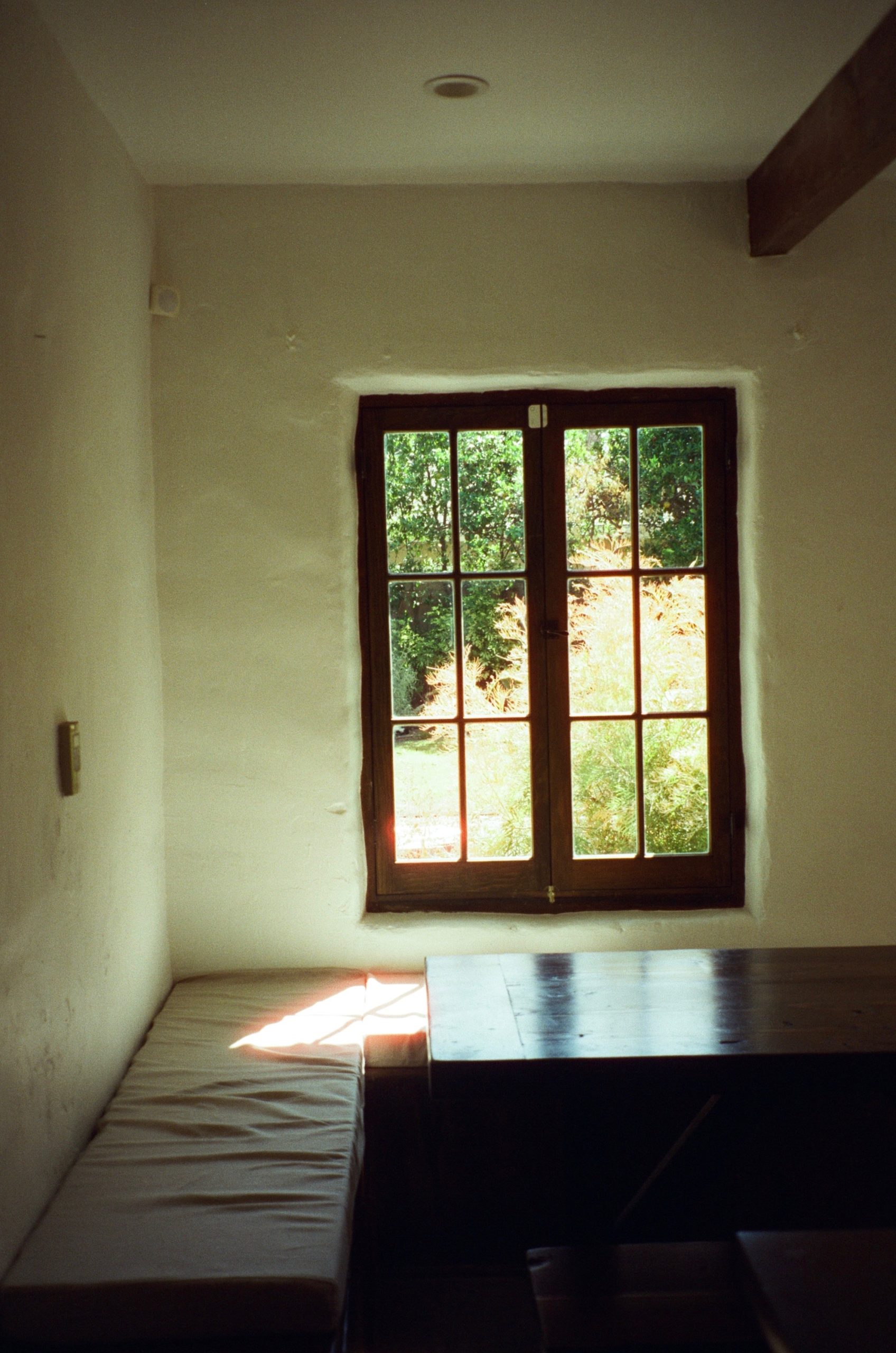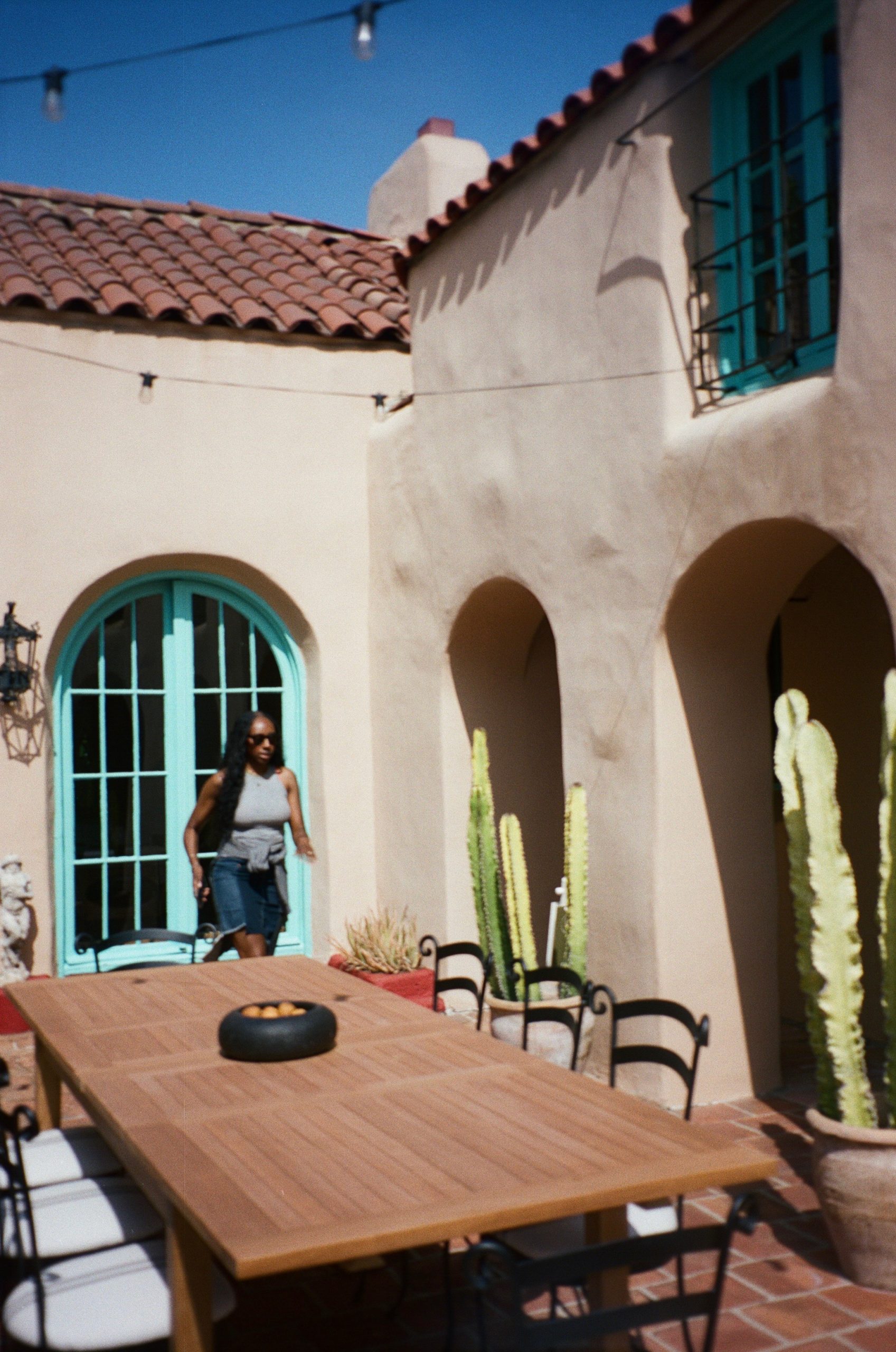
Sometimes the most useful thing we can do is sit with a feeling rather than rush to explain it. Why did one house feel right while another, perfectly convincing on paper, left you cold? Somewhere in the repetition of looking, taste becomes instinct and the picture begins to clarify.
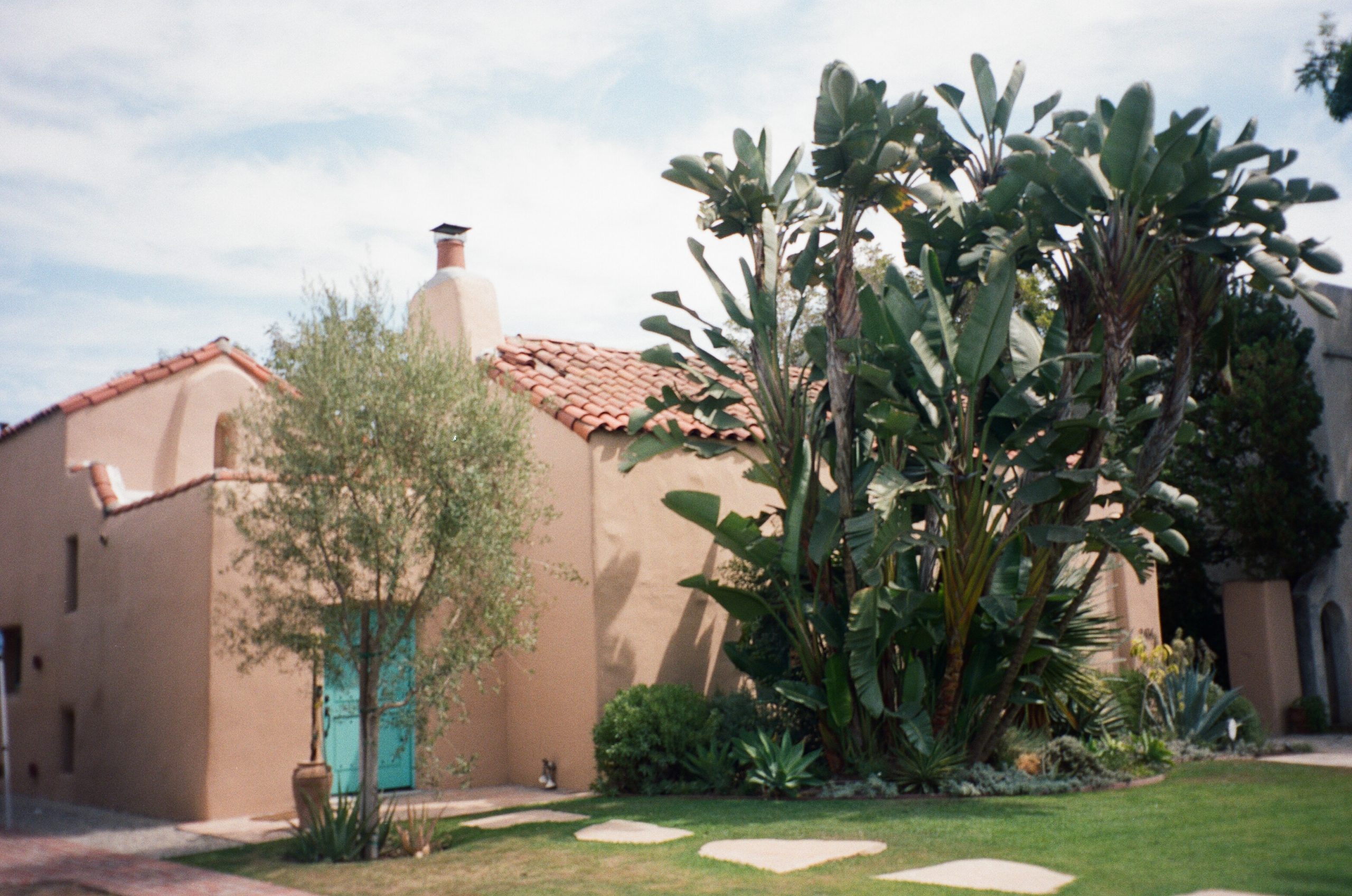
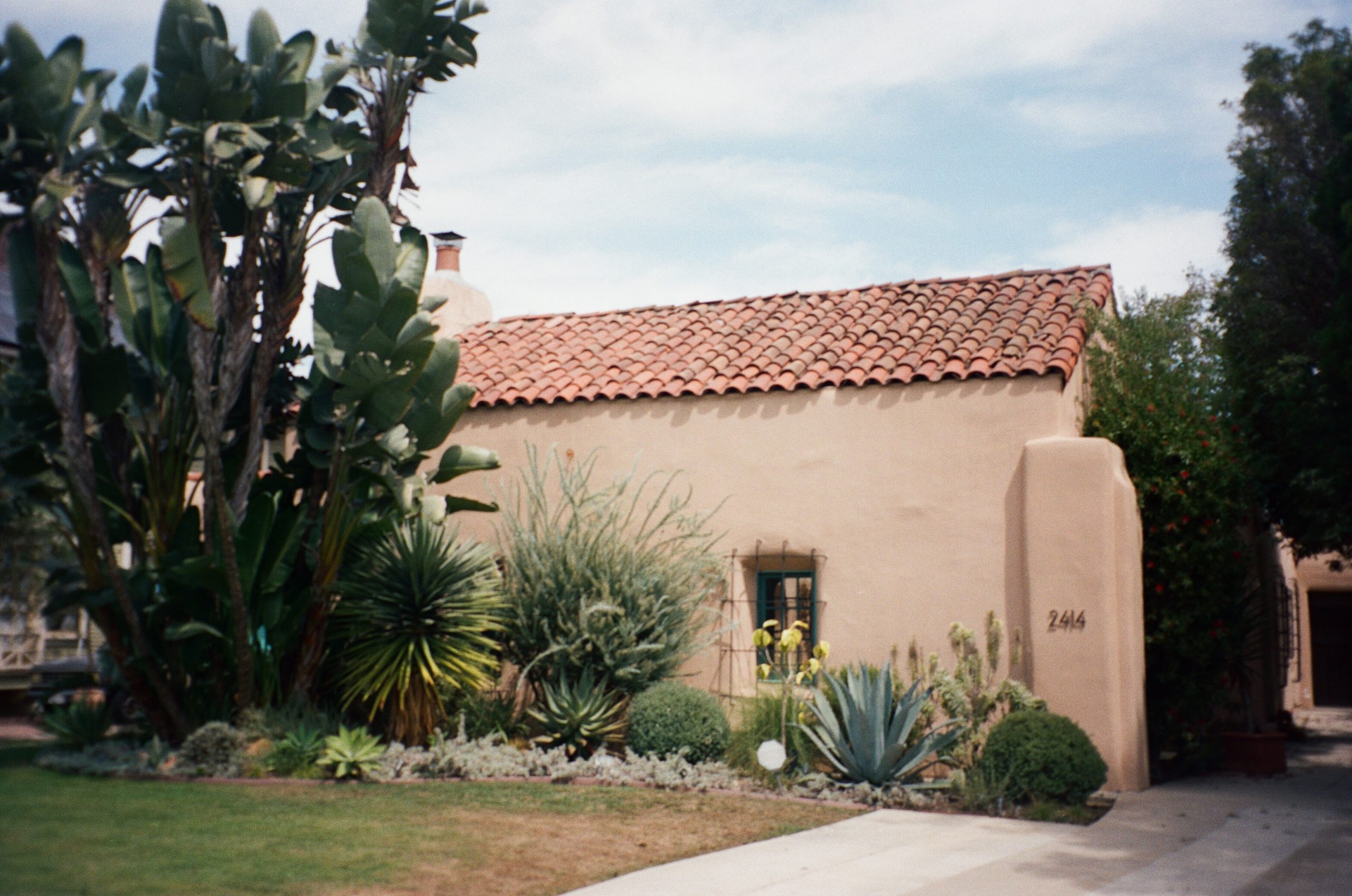
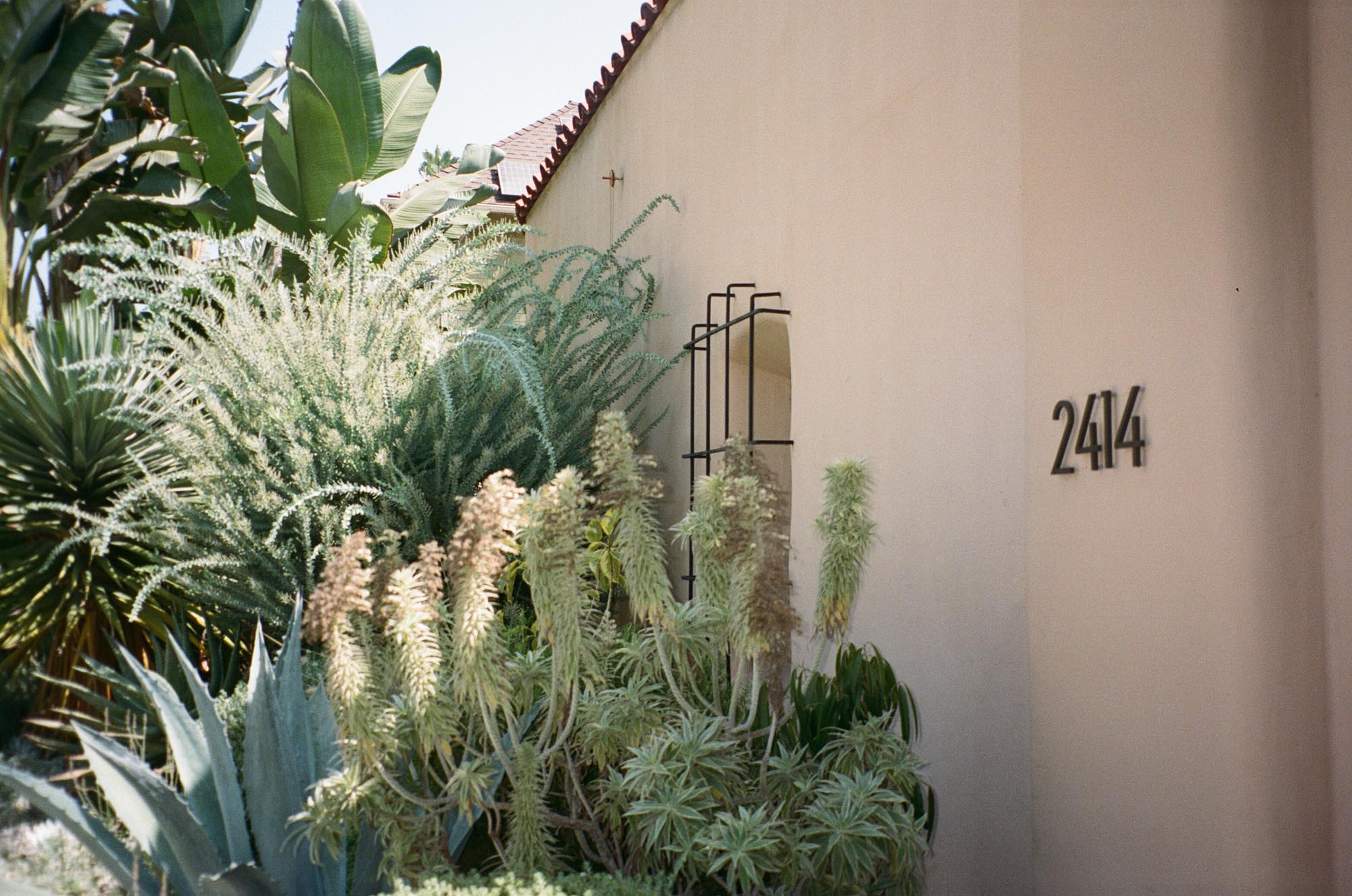
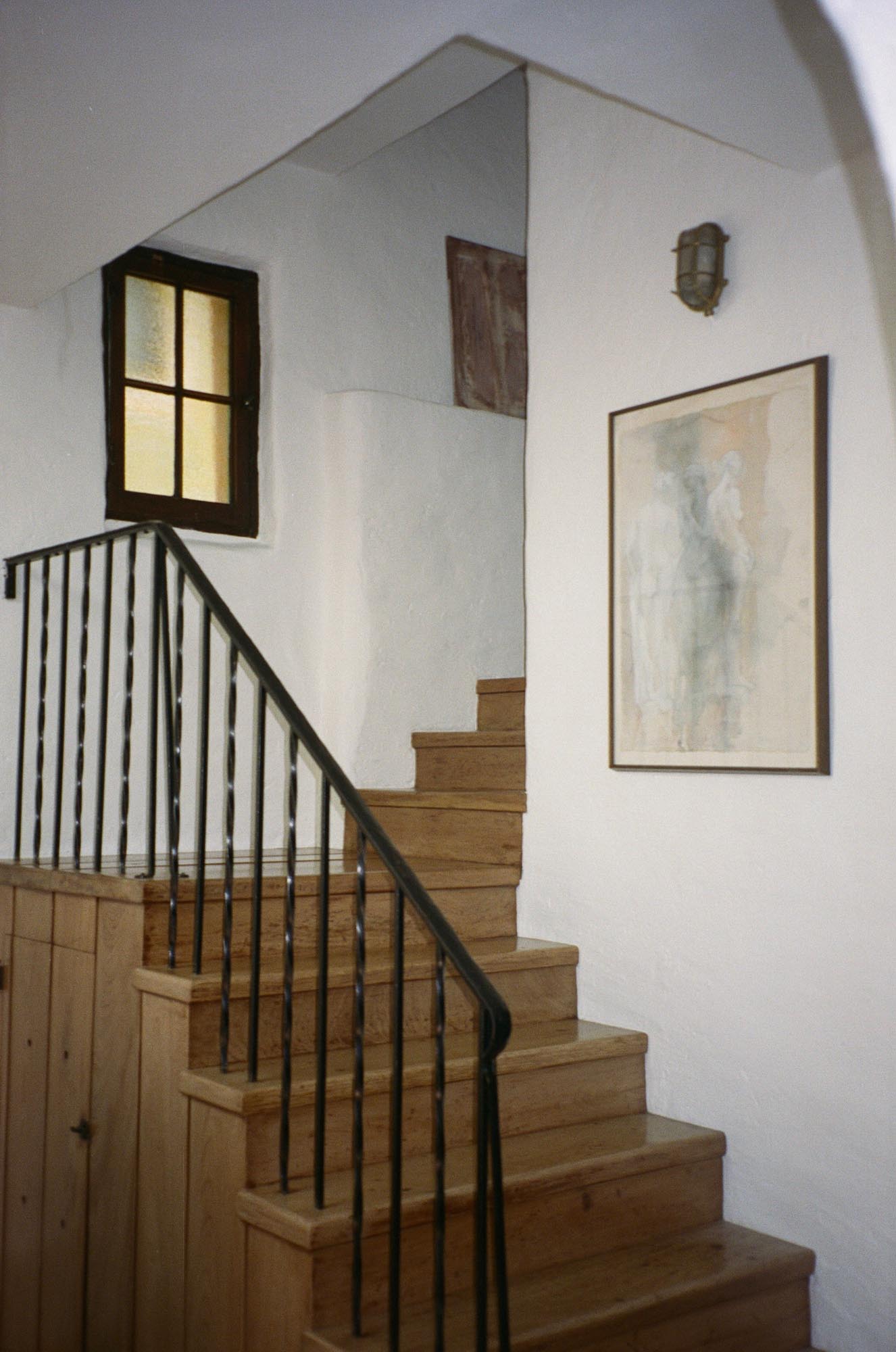
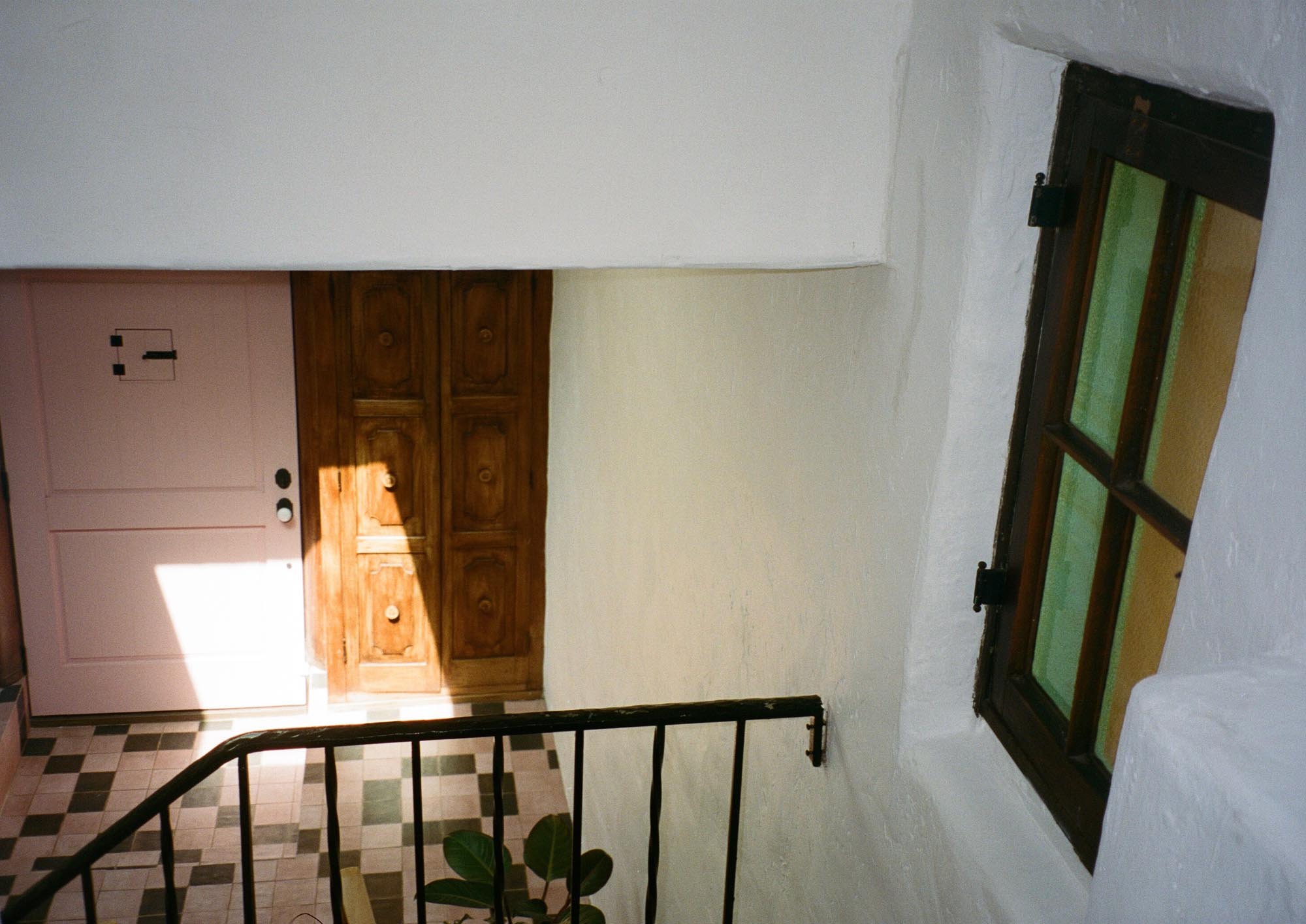
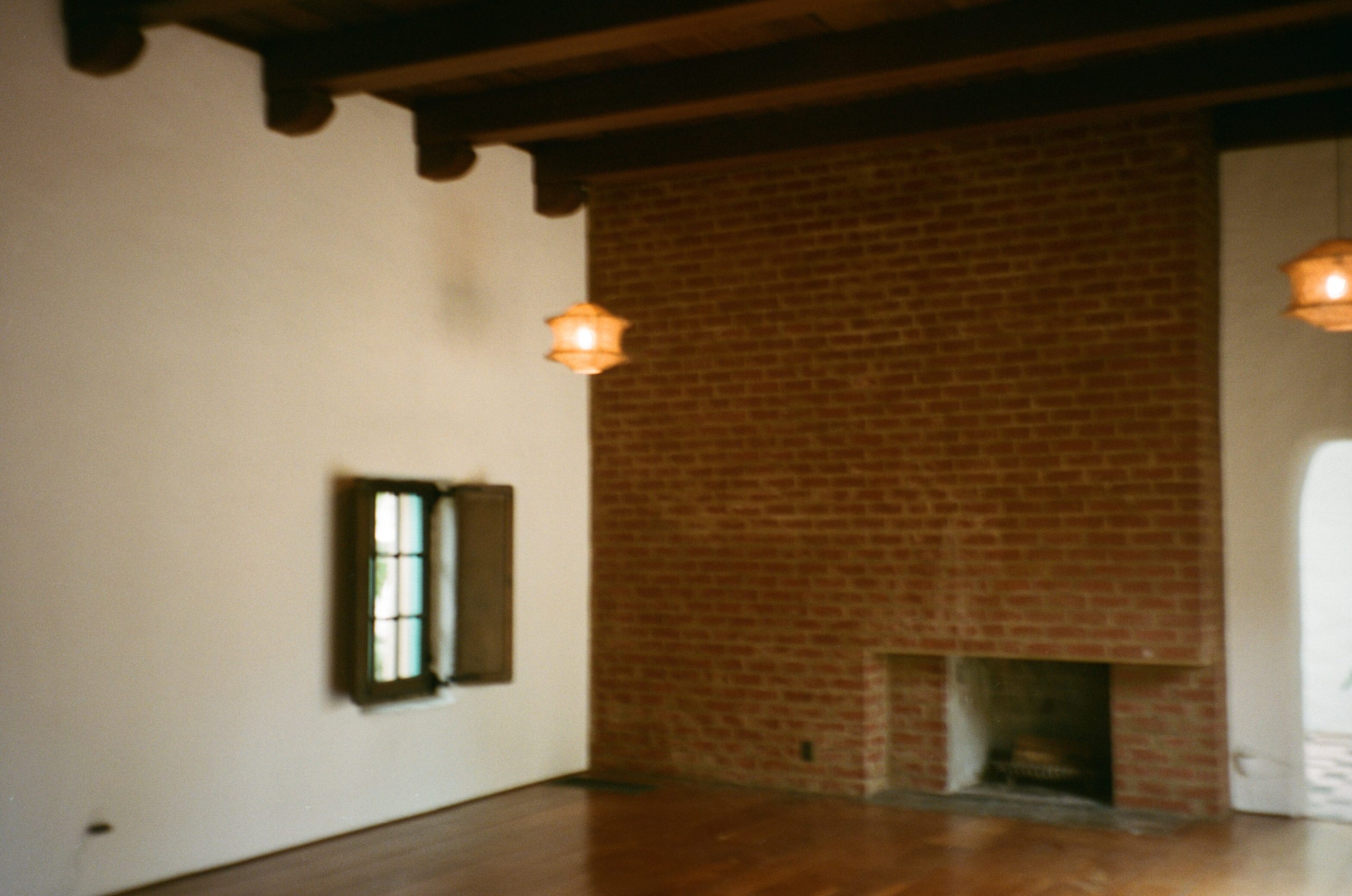
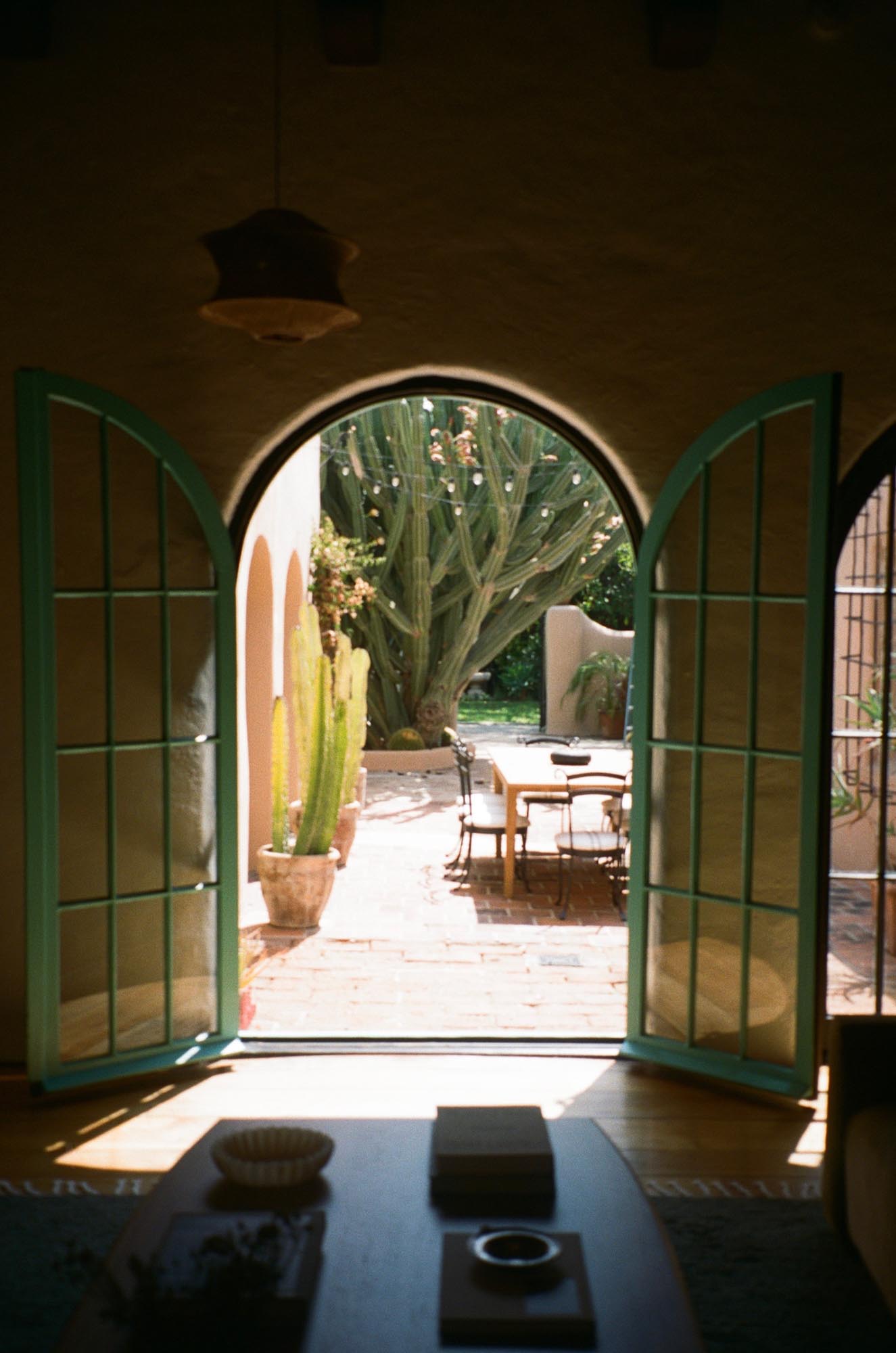
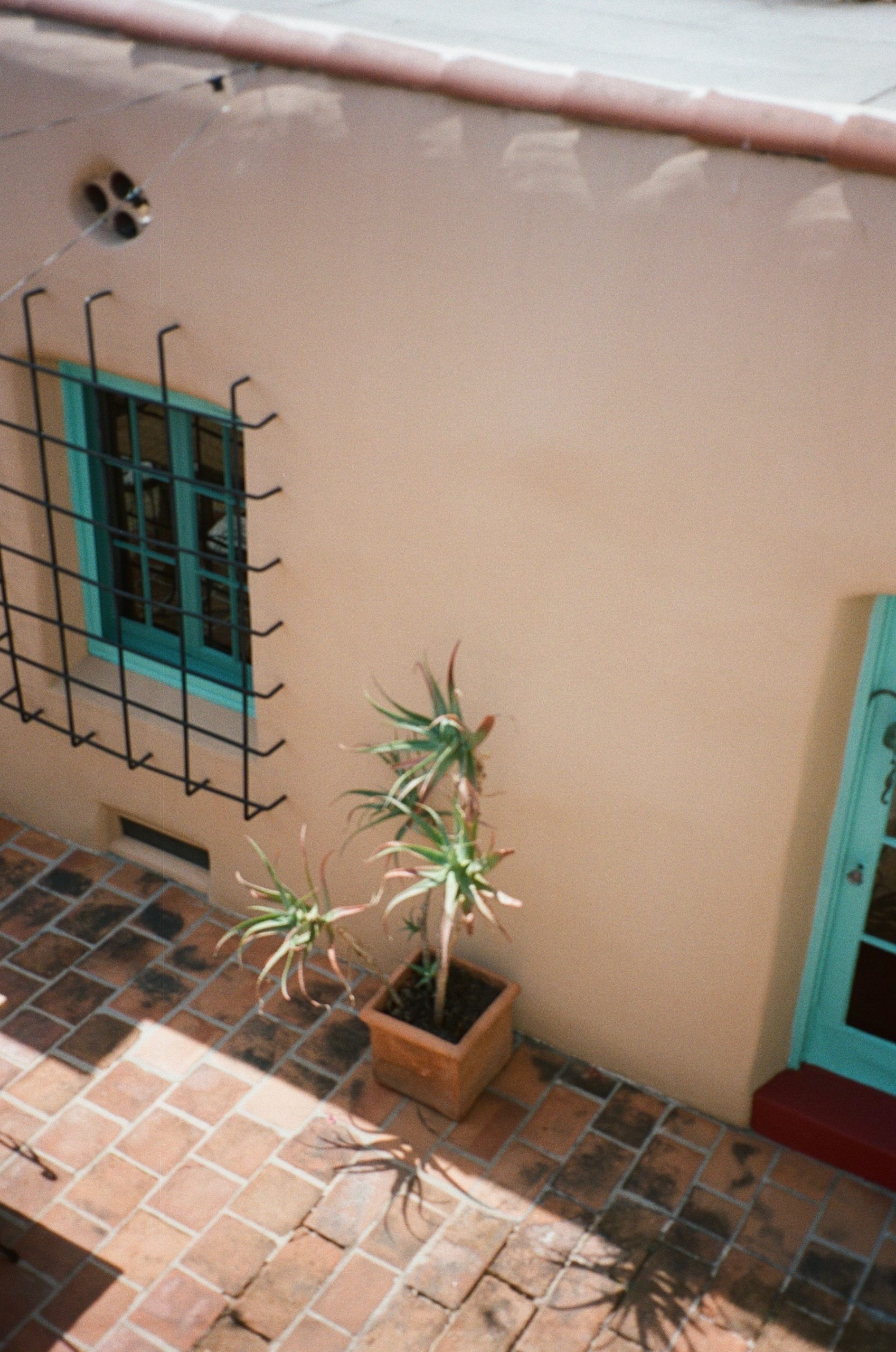
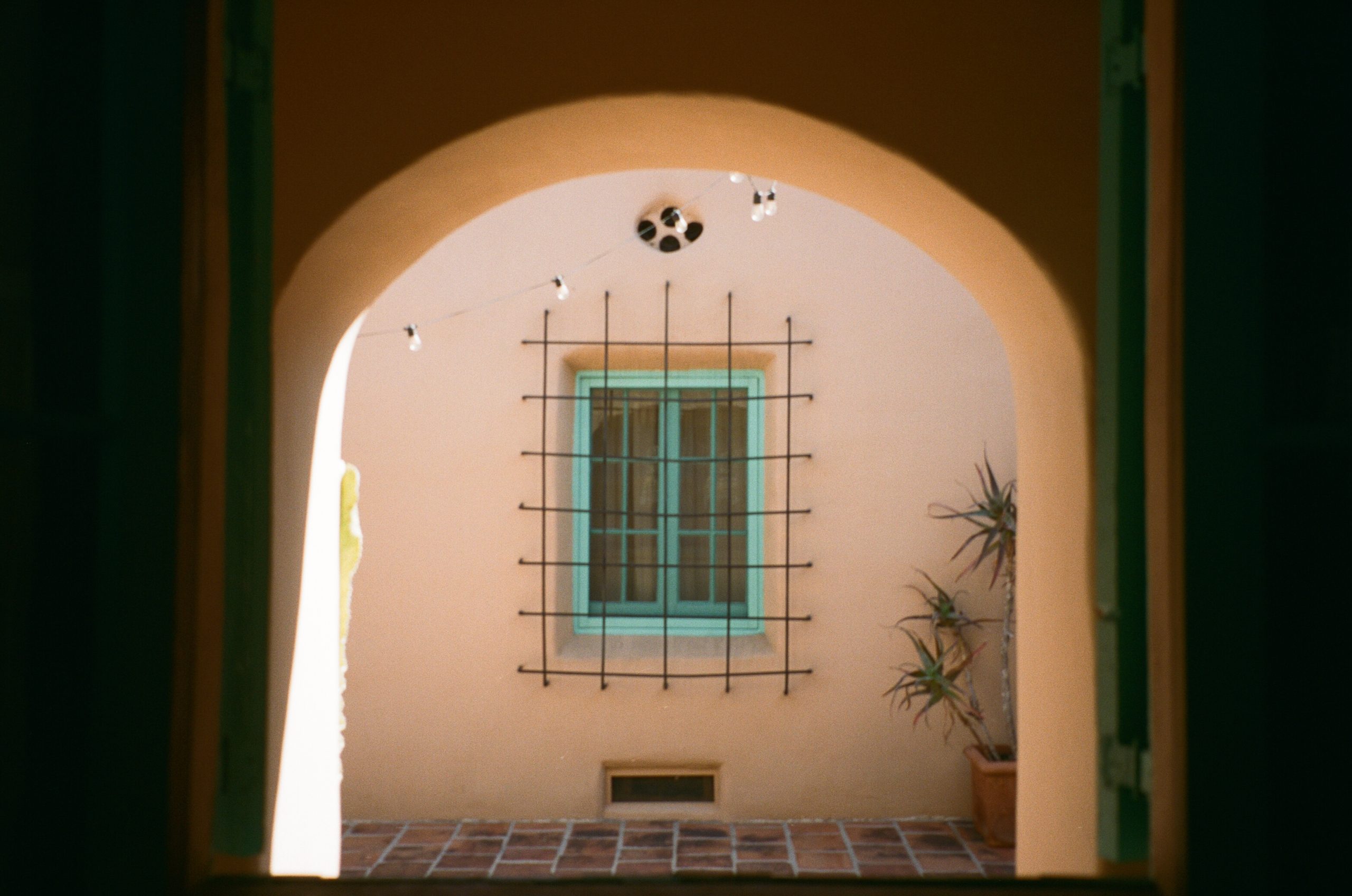
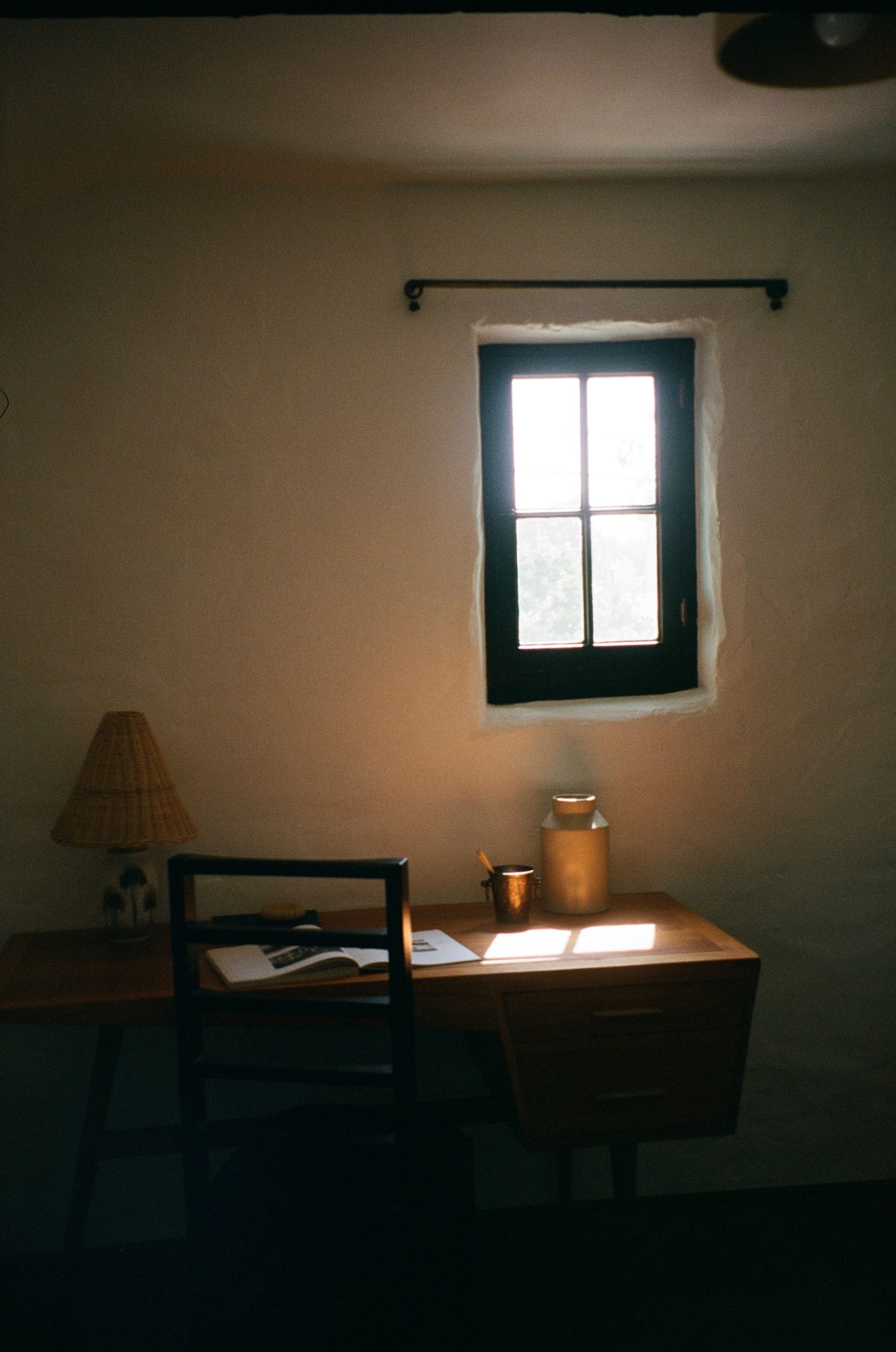
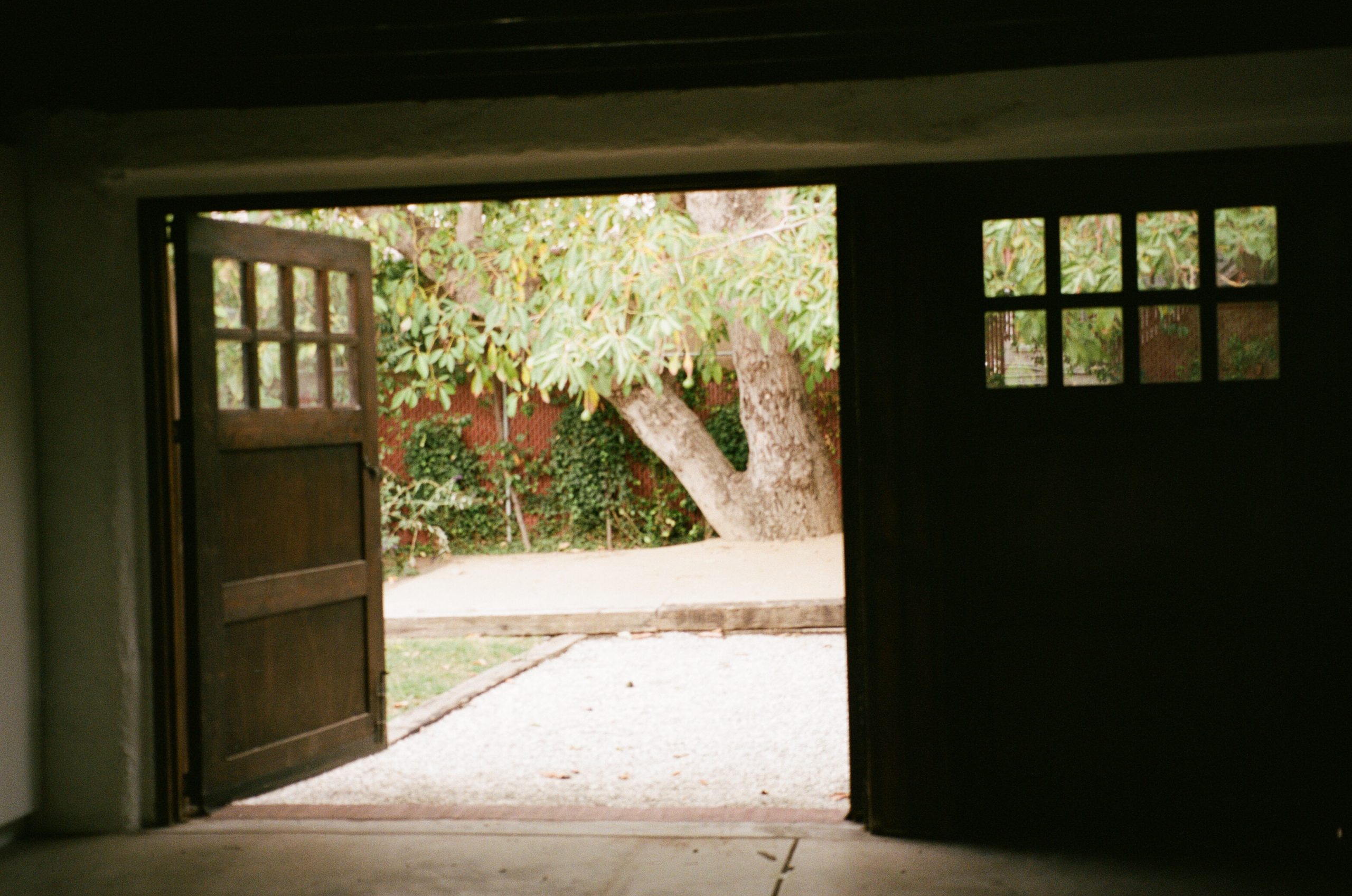
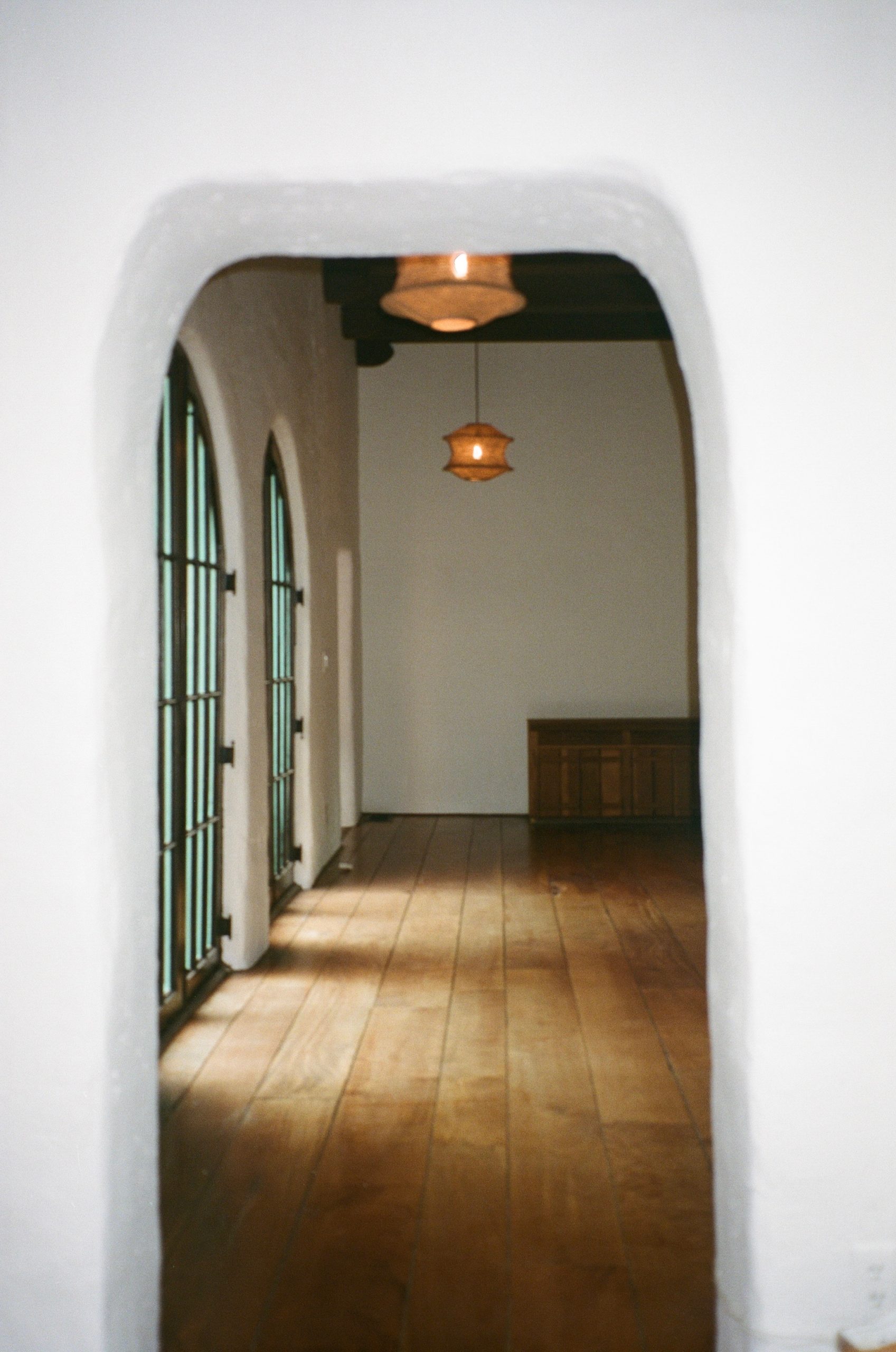
The Alice Lynch house was an immediate delight. Beautiful, particular, deeply considered, and still completely at ease with itself more than a century after it was built.
It is a house that asks for a certain kind of stewardship. Not reverence in the precious sense, but an understanding that it is never simply an object to possess.
And then there is Alice Lynch herself. Who was this woman who, in 1922, had the taste, means and architectural awareness to commission Harwood Hewitt and John Byers to make such a particular house?
Later histories identify her as a poet, though surprisingly little about her life seems to have survived. The house, however, made itself known almost immediately. It appeared in the 1922 Year Book of Architecture & Allied Arts, published by the Southern California Chapter of the AIA and the Los Angeles Architectural Club, and the following year in the Los Angeles Times, under the wonderfully democratic title Homes for the Millions.
More than a century later, the house remains while the woman who imagined it has become the more elusive part of the story. In that absence, the building becomes its own kind of biography, perhaps the clearest surviving record of her eye, her ambition and the life she imagined there.
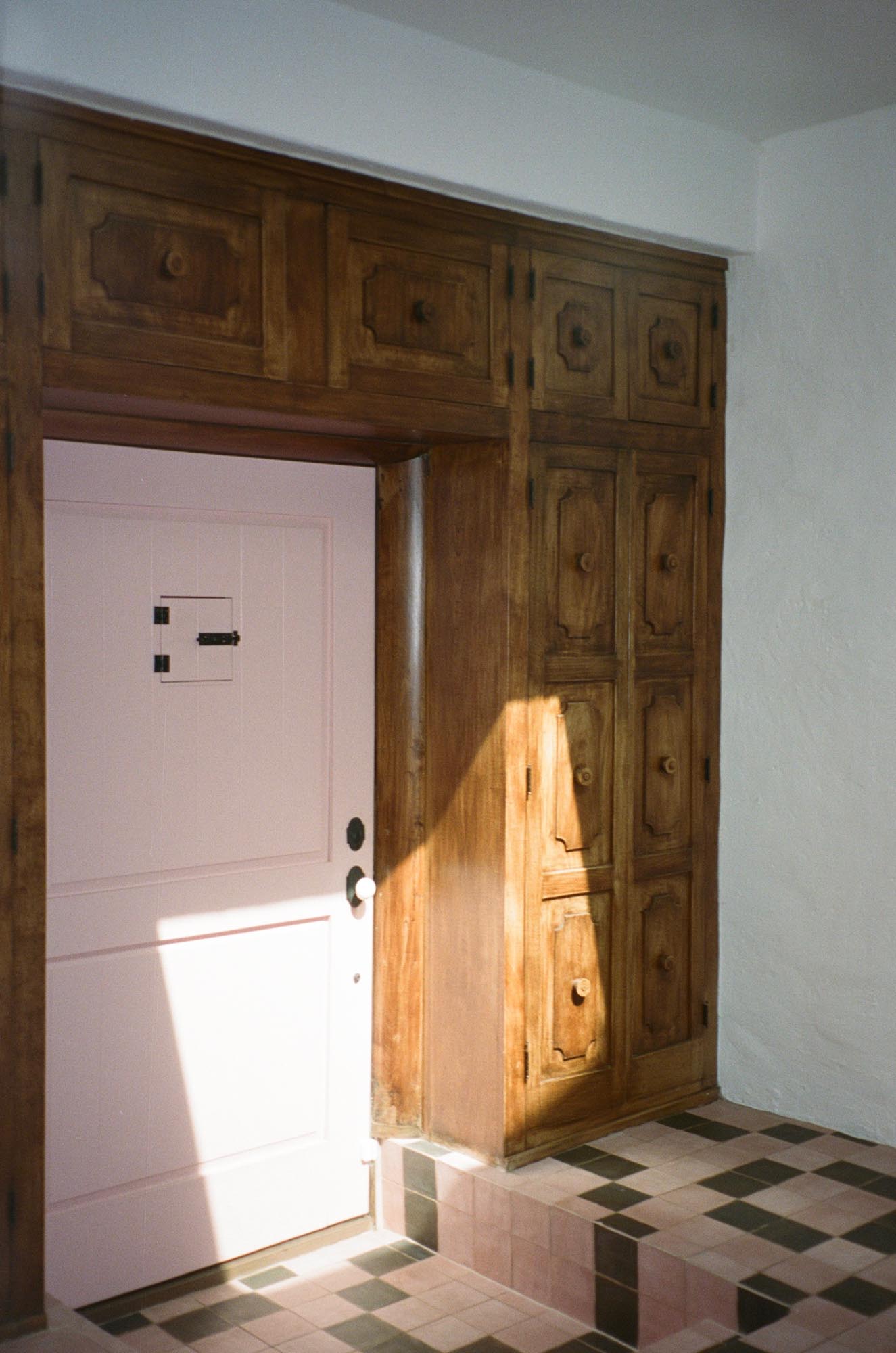
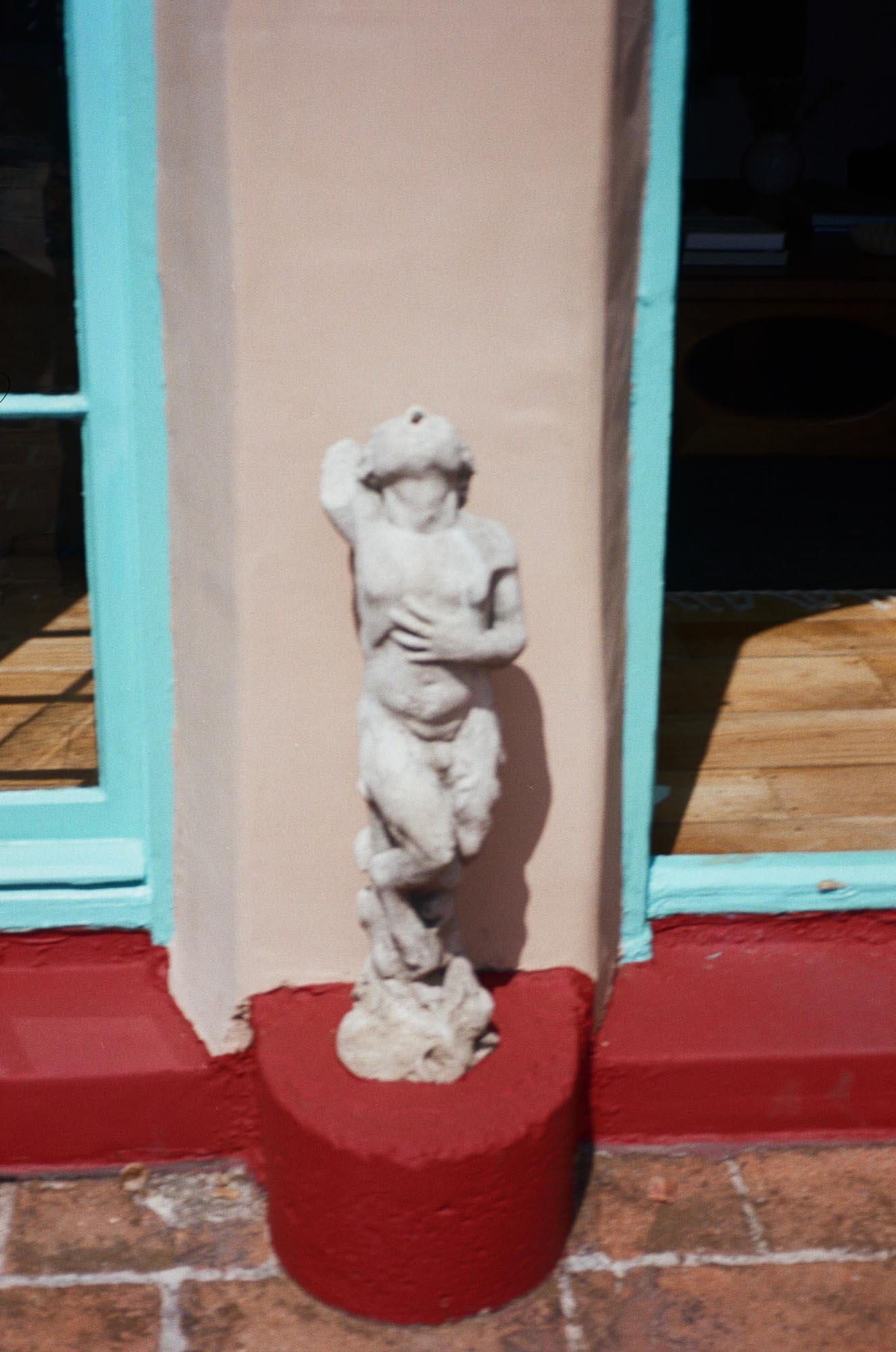
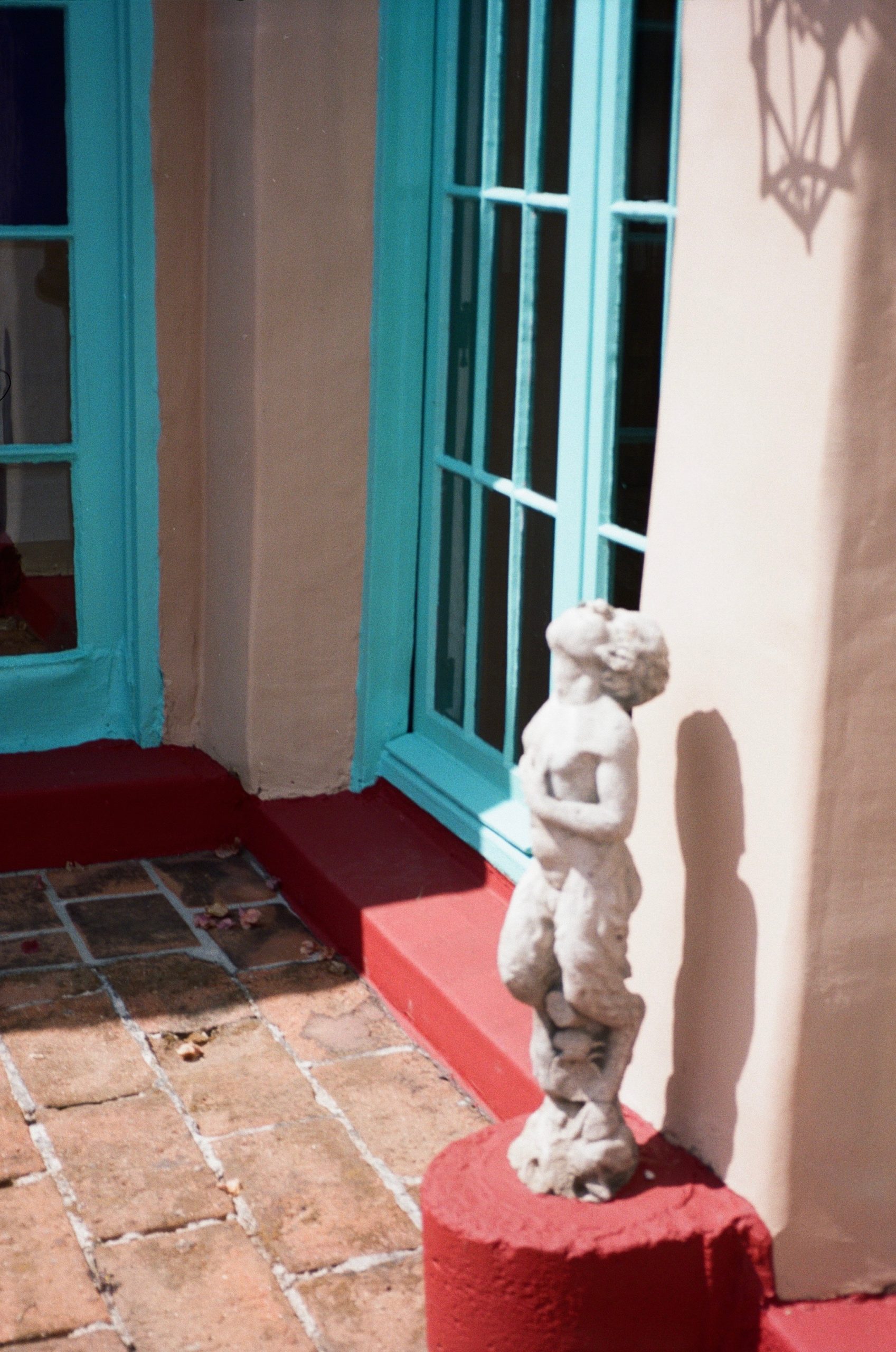
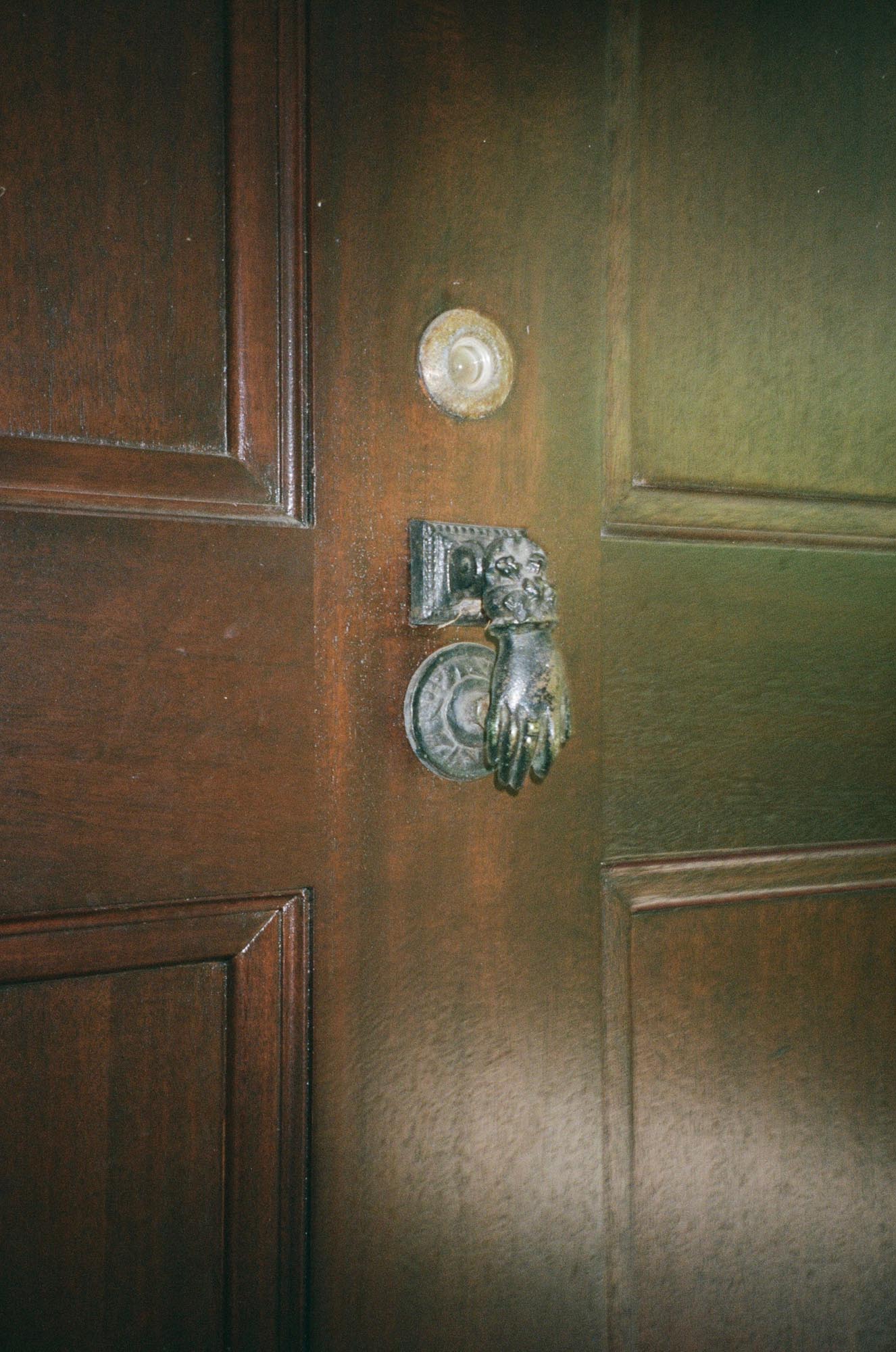
Divinity is in the details, and the house’s designation as Los Angeles Historic-Cultural Monument No. 621 feels less like an honor bestowed than a recognition of what was already there.
It is easy, looking at Los Angeles now, to forget how different this part of the city once was. Before the 10 Freeway cut through West Adams, these streets belonged to a far more continuous residential landscape, connected by streetcars and filled with houses from an extraordinarily ambitious period of Los Angeles architecture. The freeway did more than change the view. Houses disappeared, neighborhoods were divided, and communities that had taken decades to form were interrupted.
Against that history, the survival of the Alice Lynch house feels all the more remarkable.
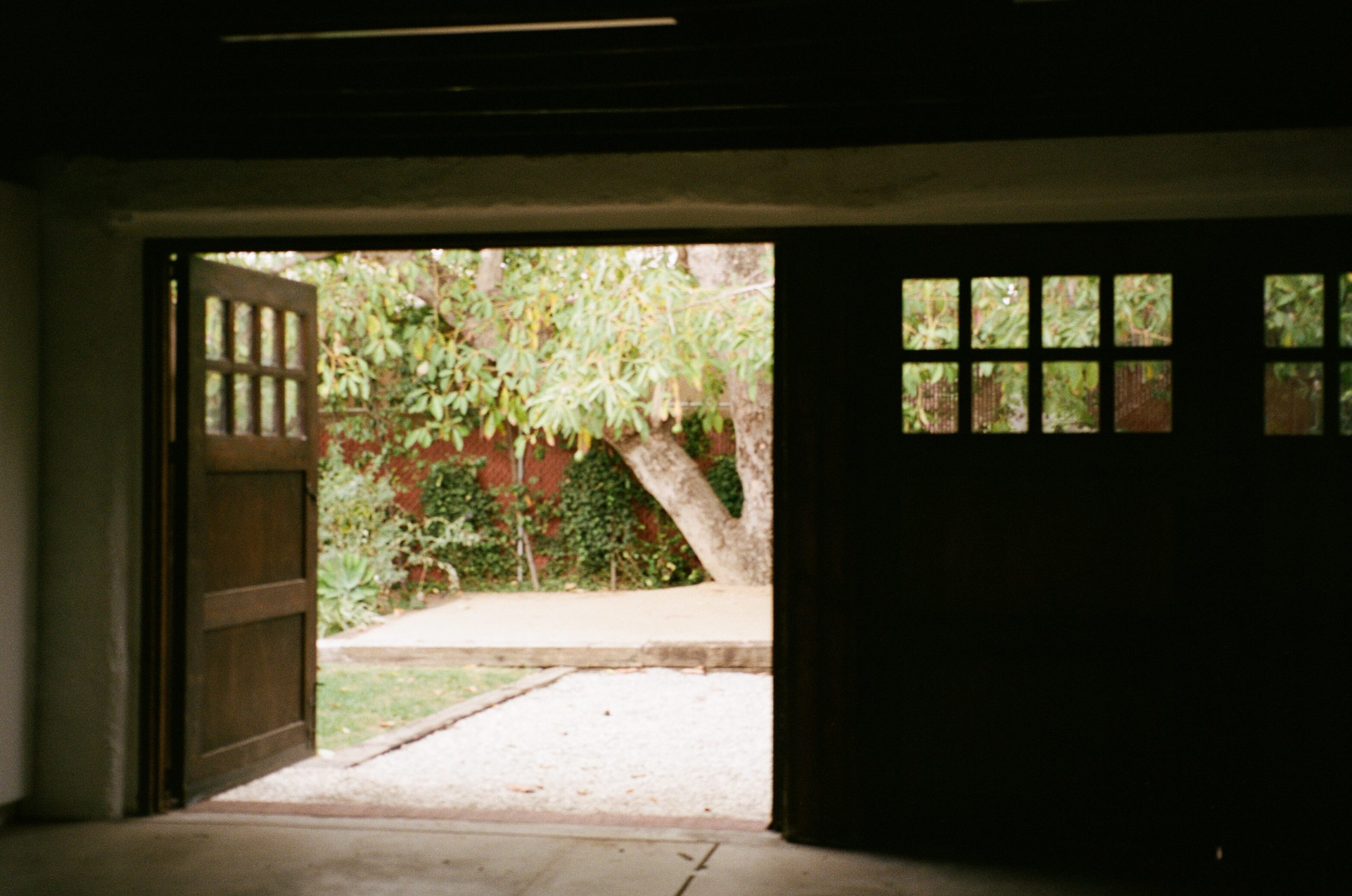
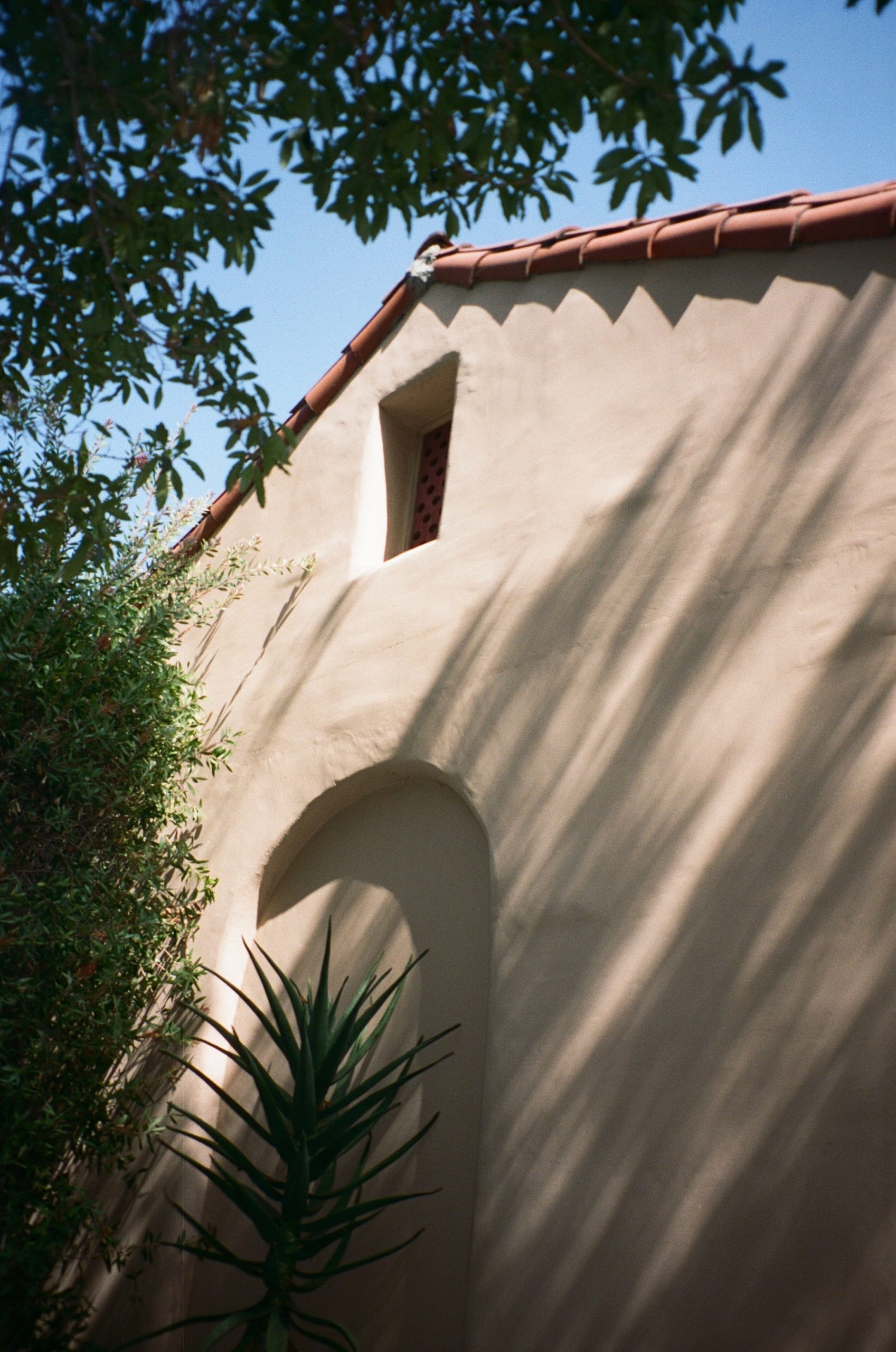
It is a Spanish adobe house, built from materials and ideas naturally suited to this climate. A century later, in the midst of a climate crisis, that feels less like nostalgia than instruction. There is something quietly radical about a house that responds to where it is rather than attempting to overcome it. In many ways, this is exactly the kind of house Los Angeles ought to be building.
I have also come to appreciate what time does to a home search. What someone believes they want at the beginning is not always what they eventually discover they want. You see enough houses and certain things fall away while others, sometimes unexpectedly, begin to matter.
Sometimes the most useful thing we can do is sit with a feeling rather than rush to explain it. Why did one house feel right while another, perfectly convincing on paper, left you cold? Somewhere in the repetition of looking, taste becomes instinct and the picture begins to clarify.
A good search accumulates slowly. The decision at the end may appear almost immediate, but it is rarely sudden.
The time we spent together exploring South Los Angeles, looking at houses, streets and neighborhoods rather than simply listings, had quietly done its work. By the time the Alice Lynch house appeared, my clients knew exactly what they were looking at. There was no need to convince them of the architecture, the neighborhood or the value of what was in front of them. They were ready.
Sometimes finding the right house is simply a matter of having looked long enough to recognize it when it finally appears.
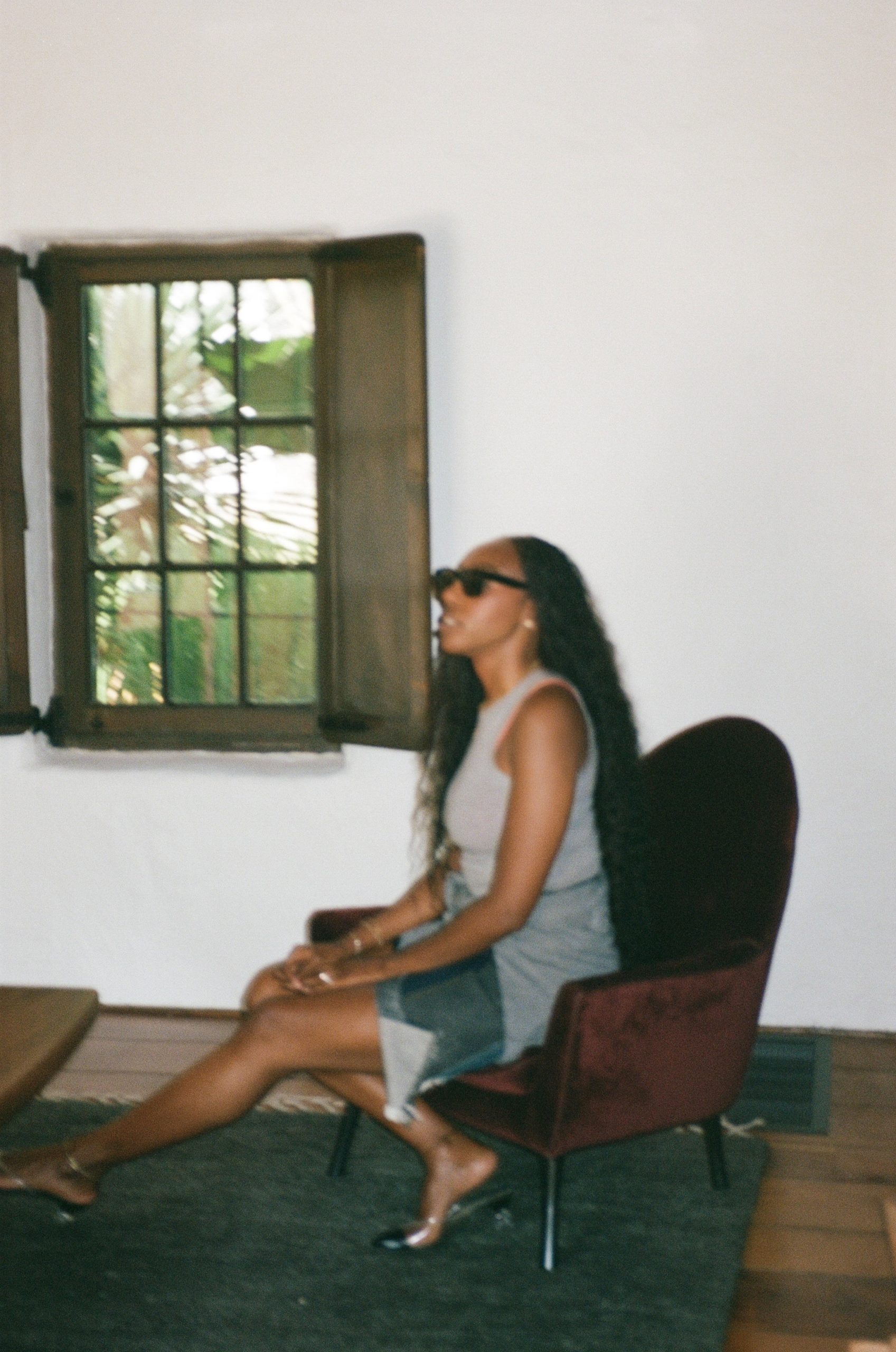
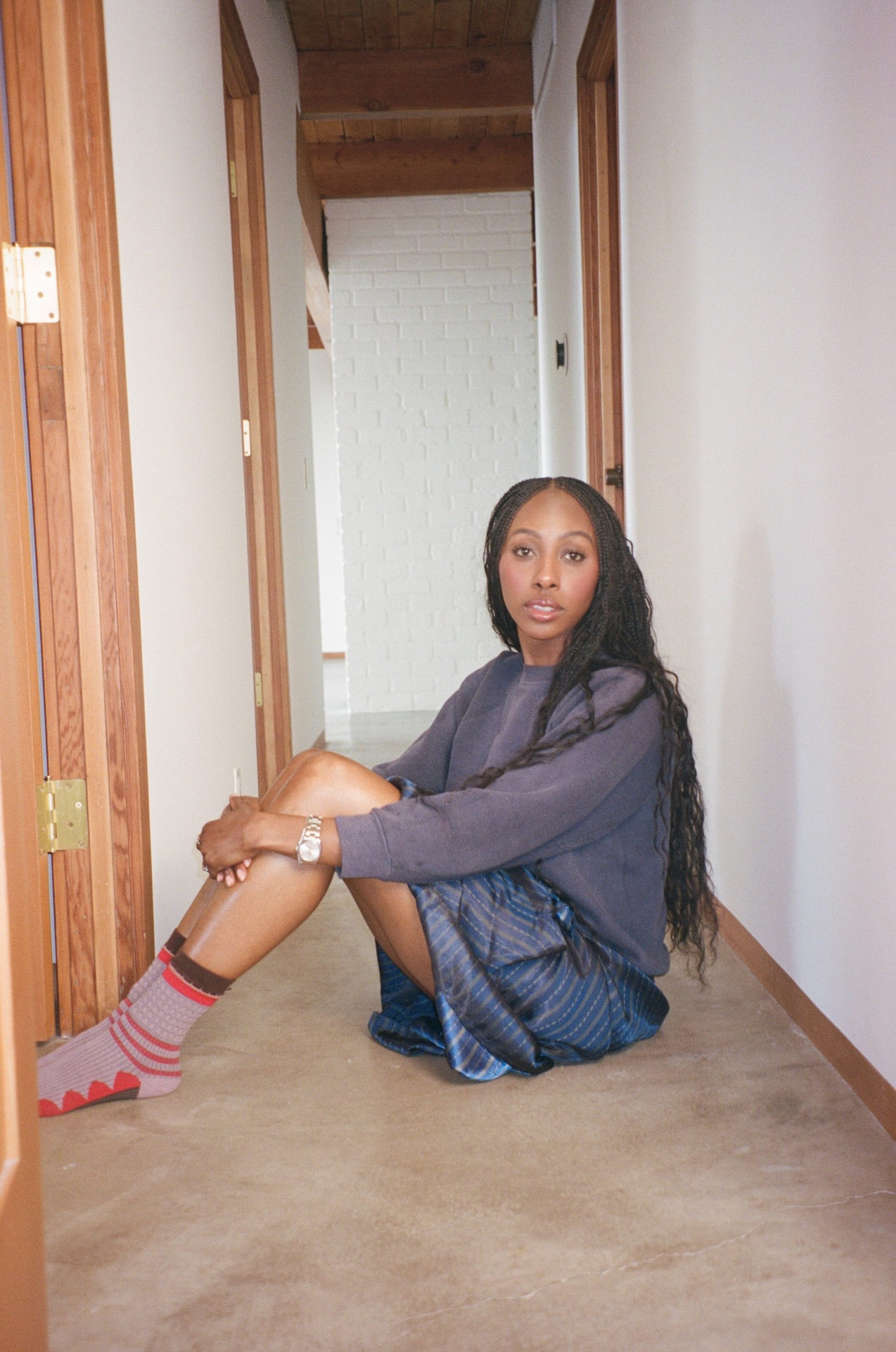
Los Angeles has gained two wonderful new residents, and I have had the great luck of gaining two new friends. I cannot wait to see the life they make here.