What the House Always Knew

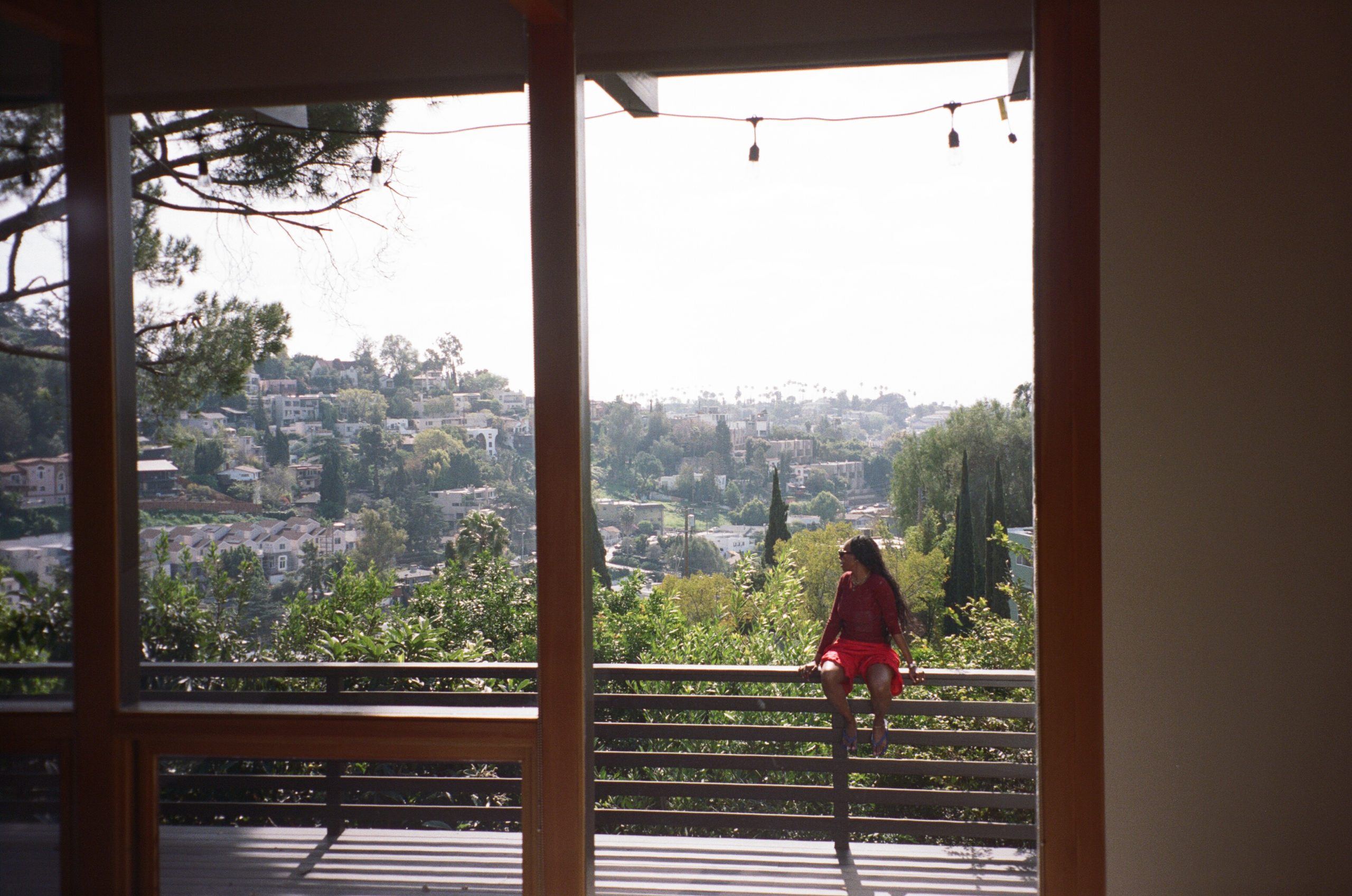
This restoration asked for restraint as much as it invited invention, a yearlong practice of listening, learning to stay calm inside uncertainty, and trusting the small experiments that eventually become a house’s particular logic. Over a little more than twelve months, the house revealed itself in increments, guided less by the calendar than by weather and light, and by the home’s ever-present relationship with nature.

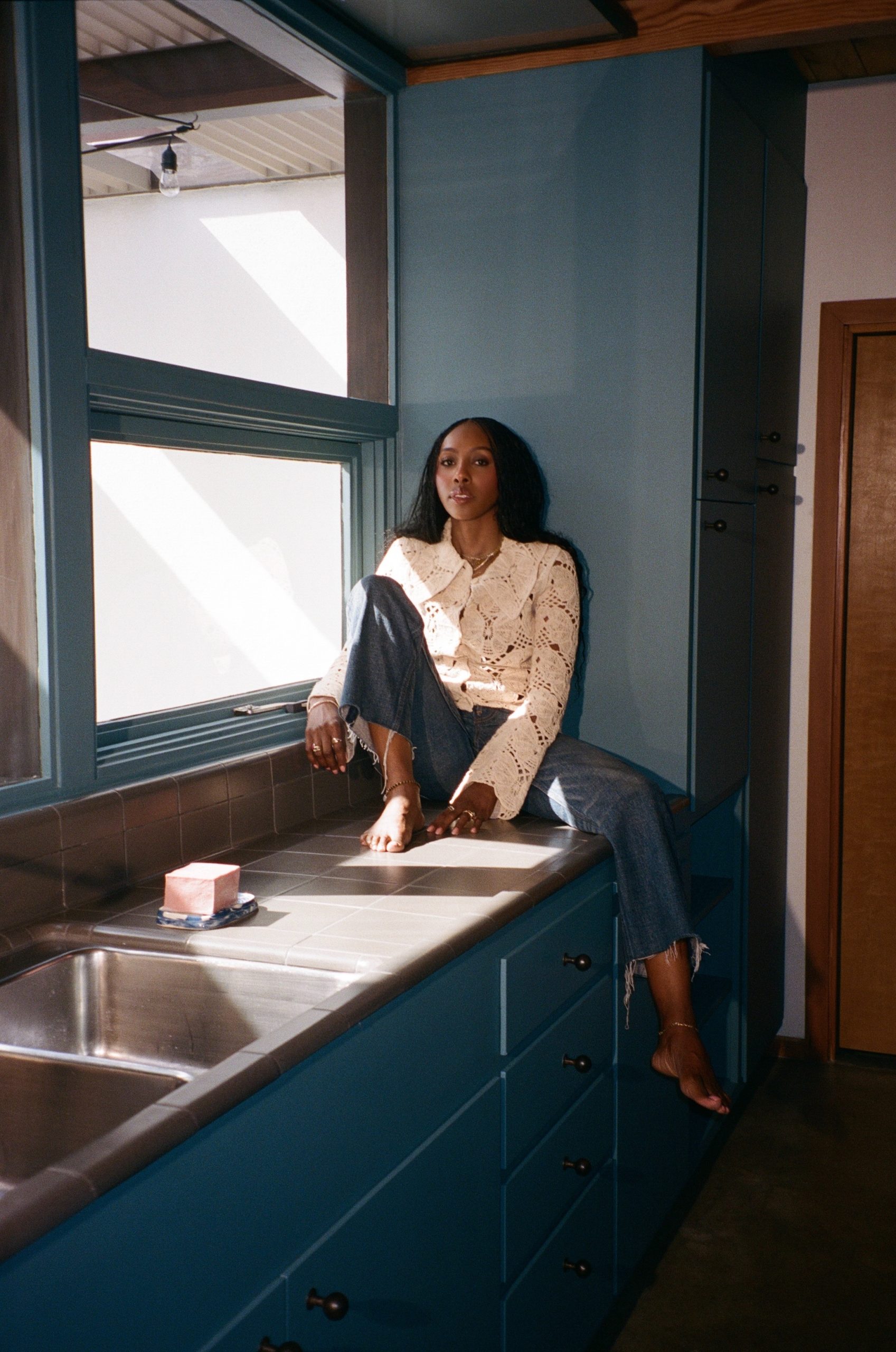
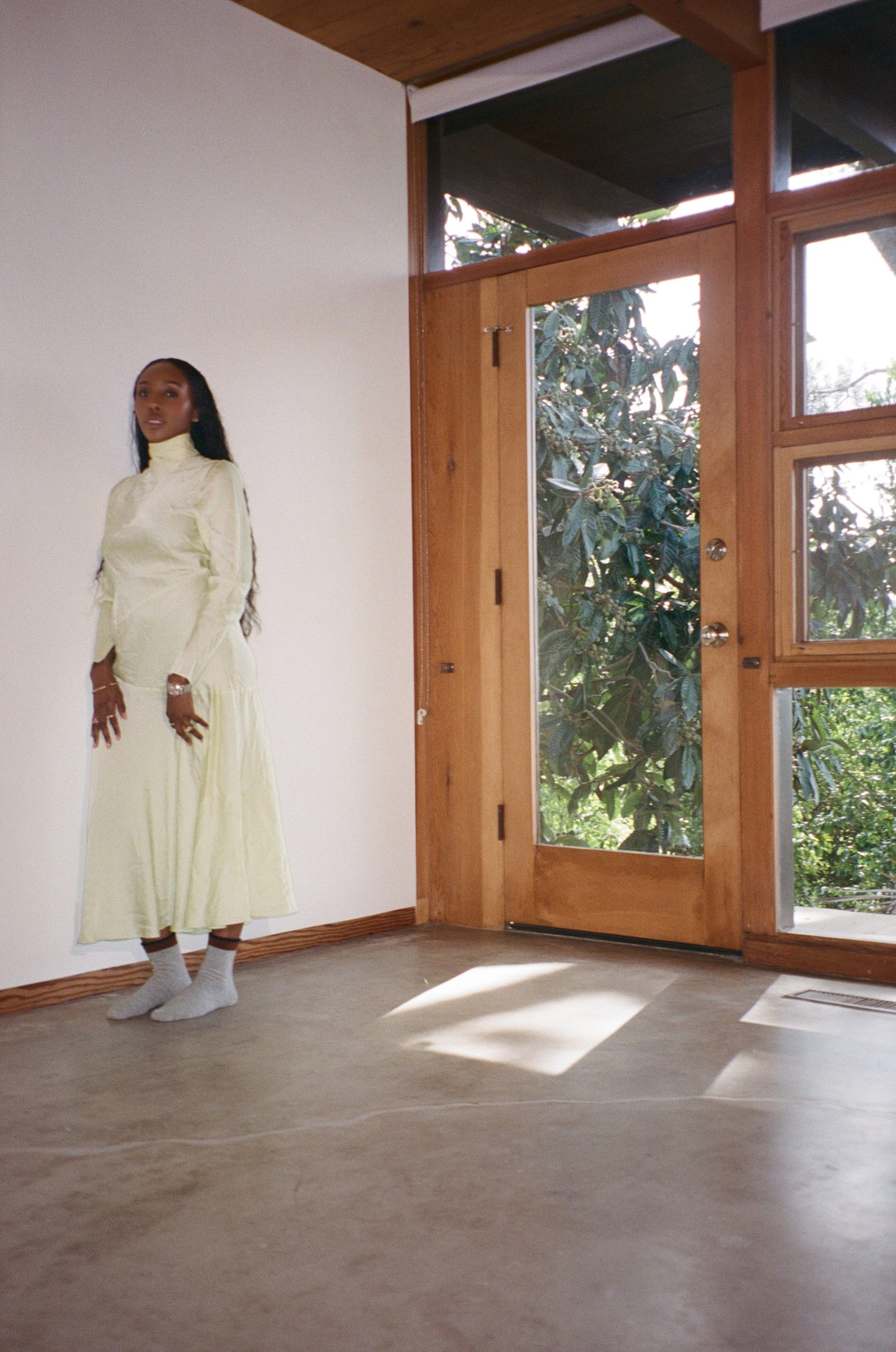
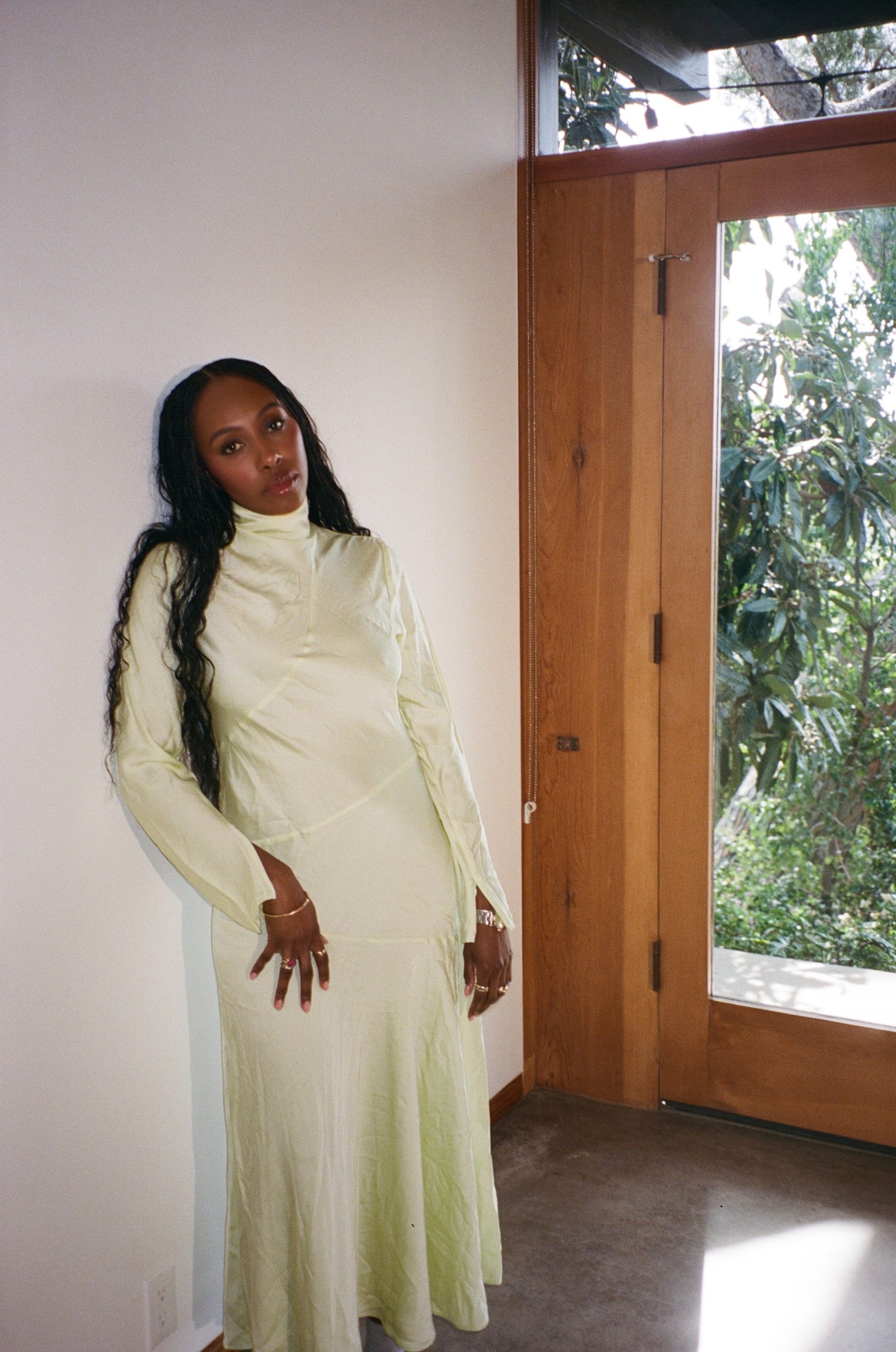
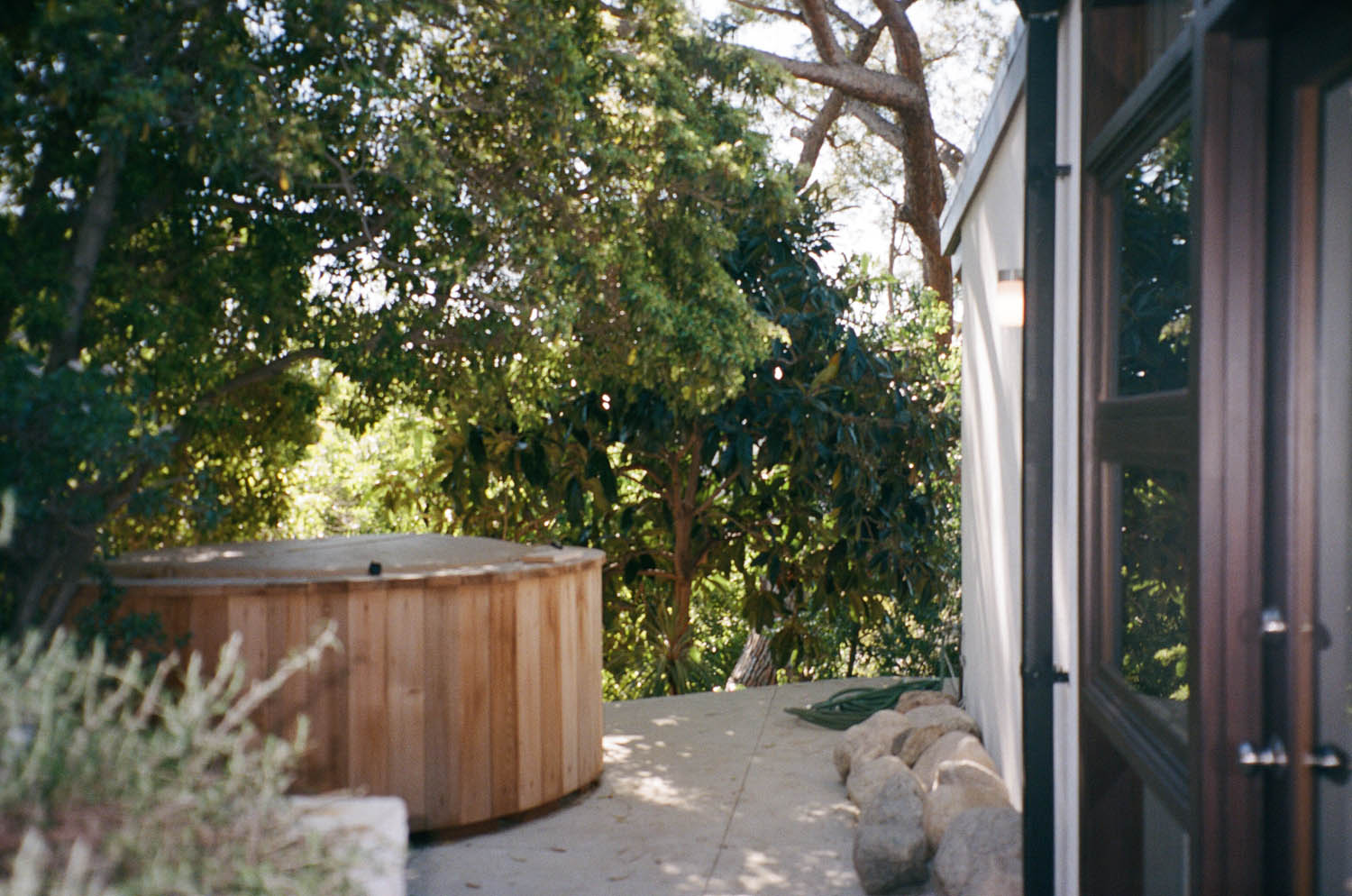
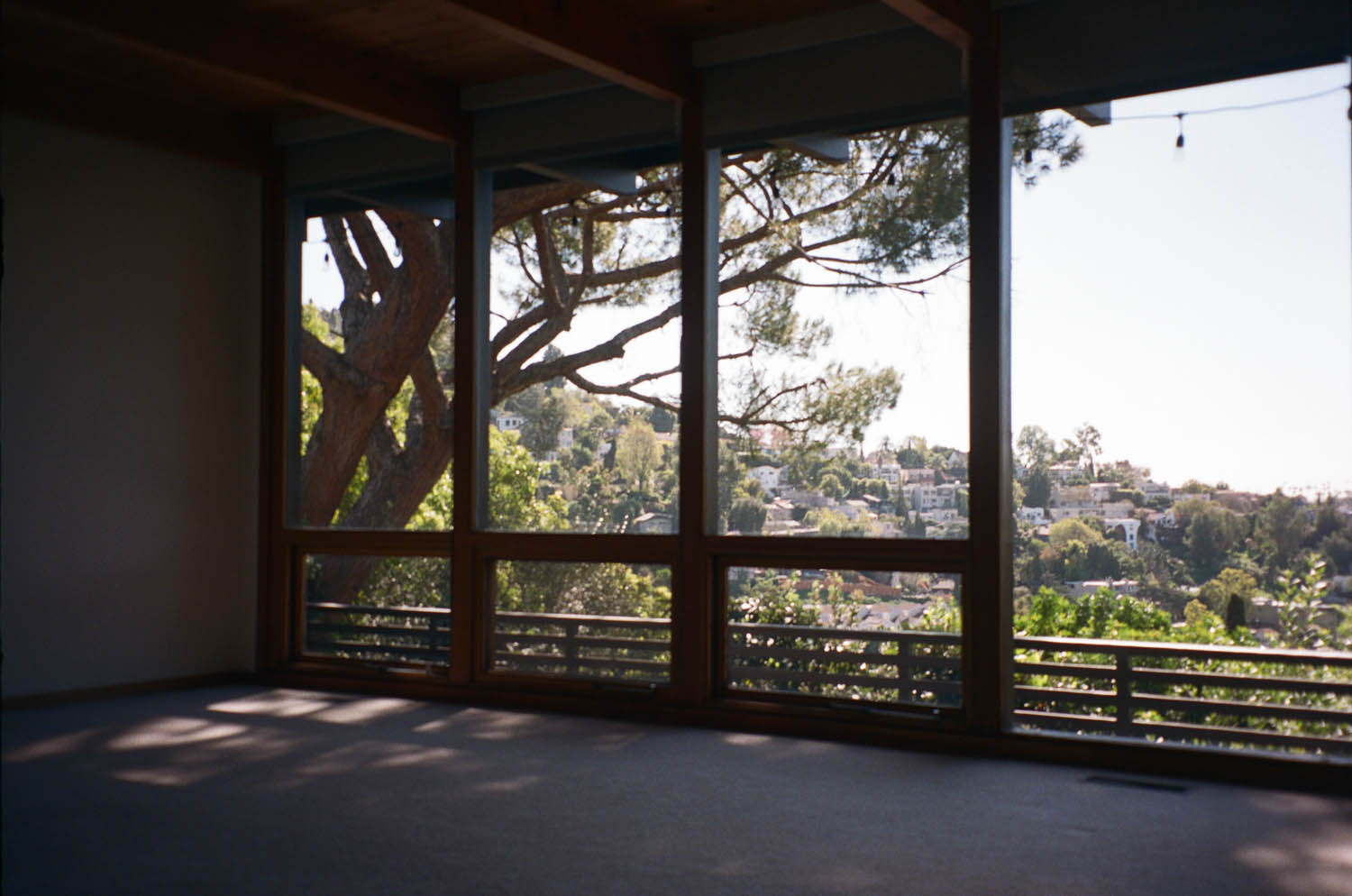
When you dial everything back, what’s left is detail, built in by way of the floors, the walls, the ceiling, the glass, and the house’s built-in good sense. If there’s a through line, it is wood in all of its iterations, the steady presence that gives the house its warmth and structure. Everything else, paint, tile, hardware, becomes a supporting cast, chosen not to compete but to let the wood speak.

There were long stretches of choosing that read less like “before and after” than a steady tuning of proportion, rhythm, and quiet. We kept returning to what was already true, the warmth of the wood in conversation with the garden, the simple geometry, the way morning moved across the rooms, and we let everything new arrive as if it had always belonged, a hinge where it needed one, a seam made clean, a surface chosen for how it would age. It was slow, sometimes maddeningly so, but also intimate, the kind of work that teaches you a house by heart, until one day it simply settles, and you realize you’re no longer finishing a project, you’re moving back into a point of view.

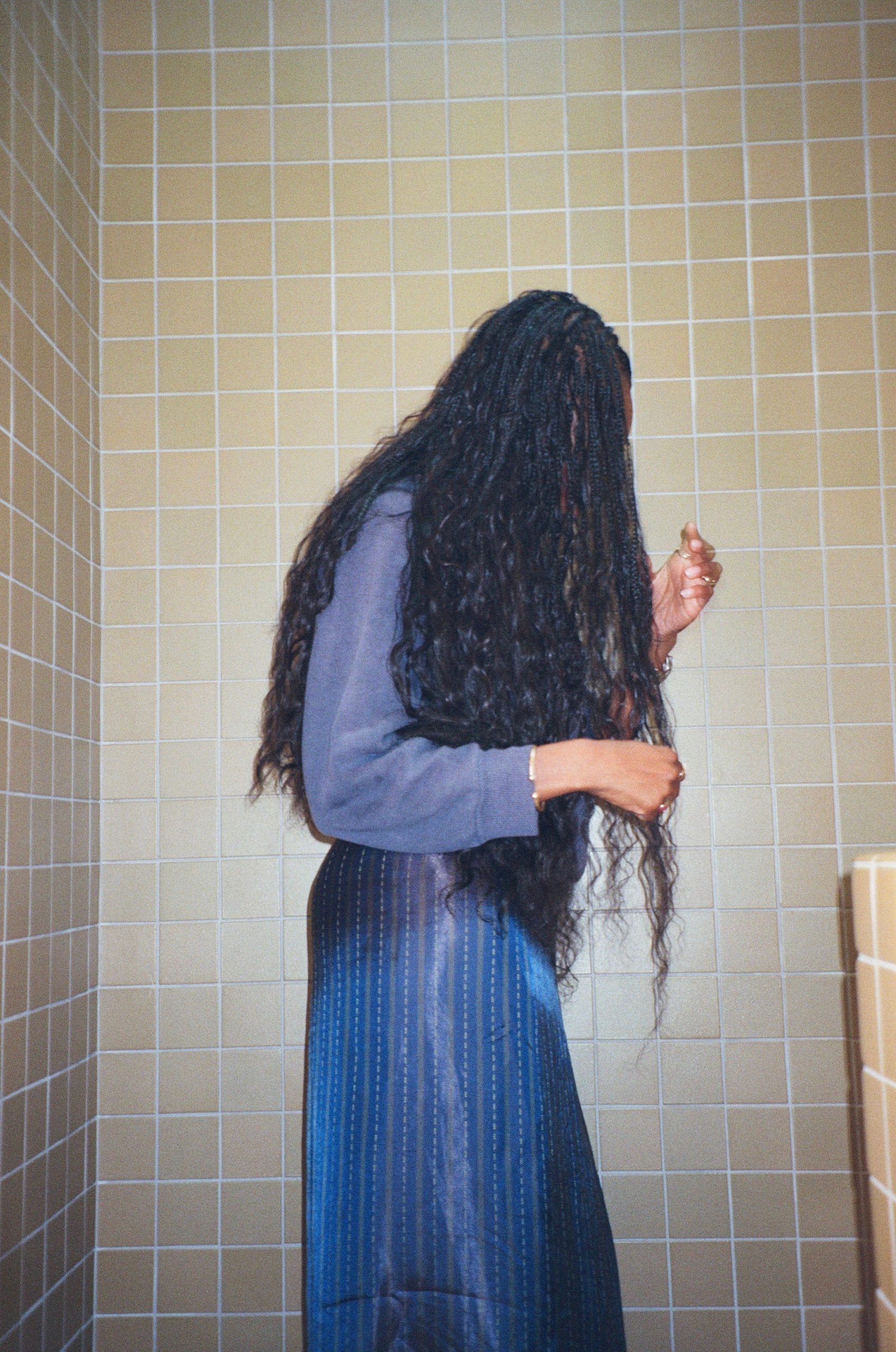
The same private obsession played out in tile, the constant arrival of Heath Ceramics samples, lined up, moved an inch to the left, held to the light like fragments of landscape. There was, inevitably, a moment of panic, certain I’d ordered the wrong shade of green

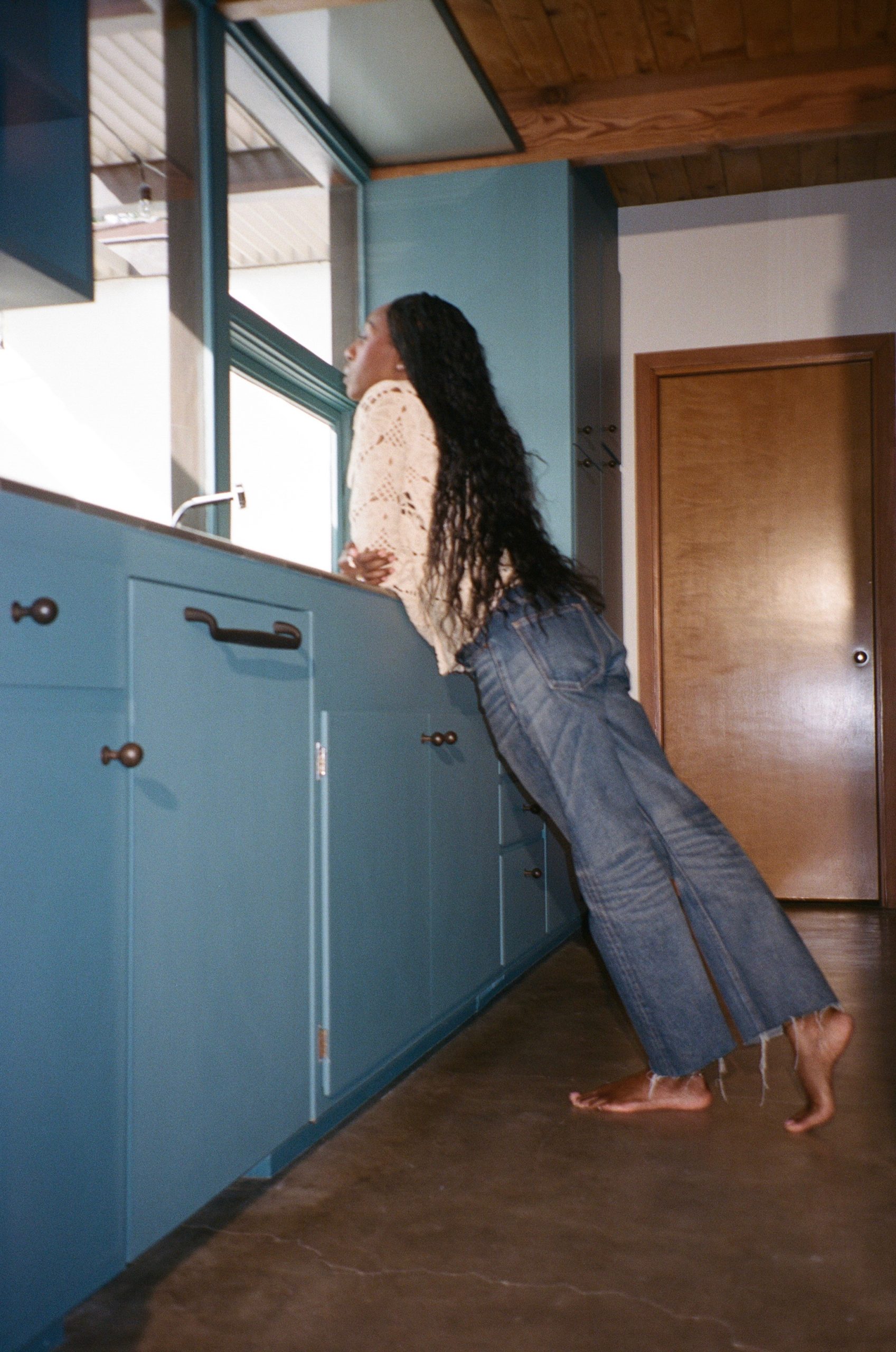
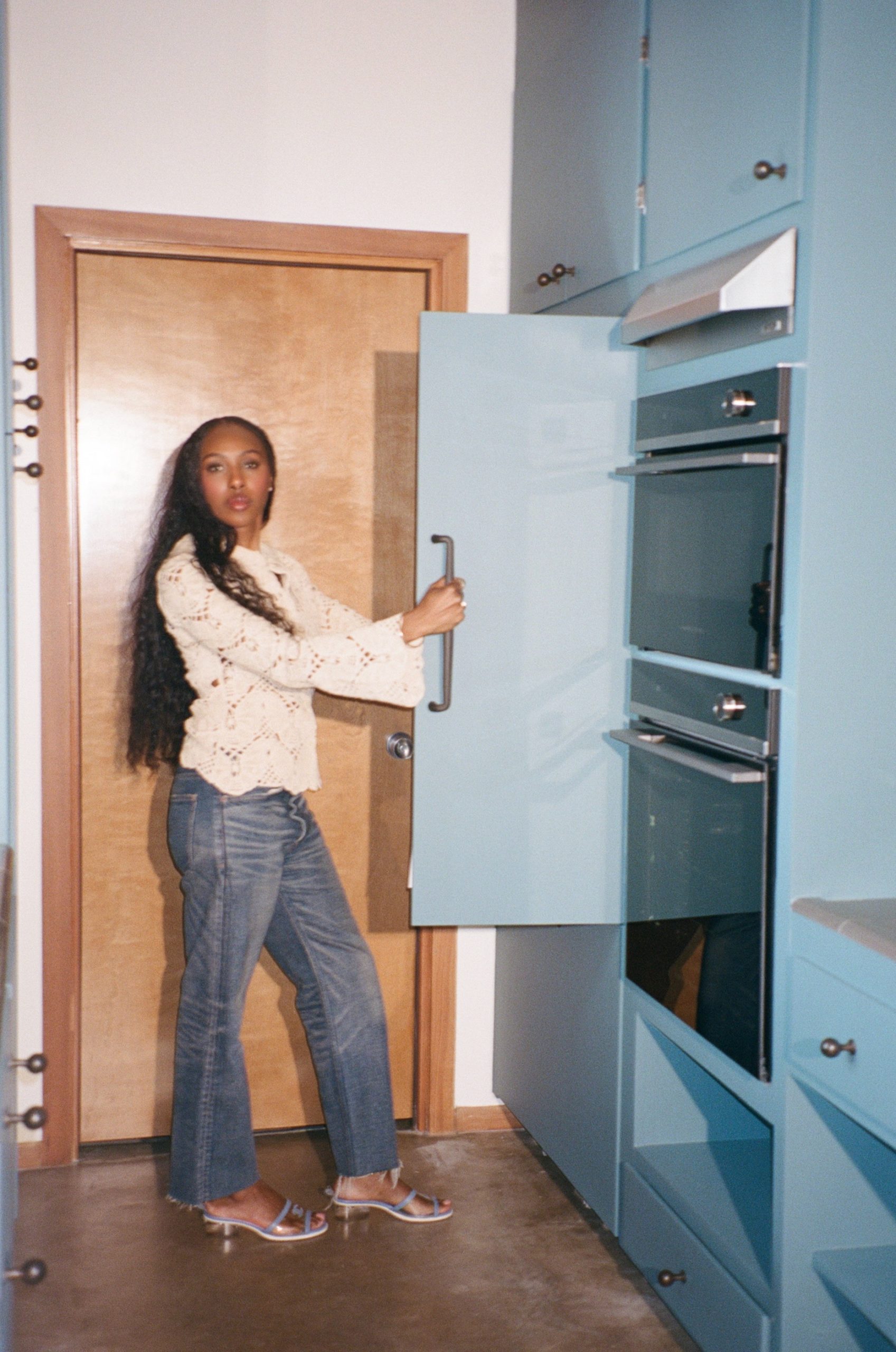
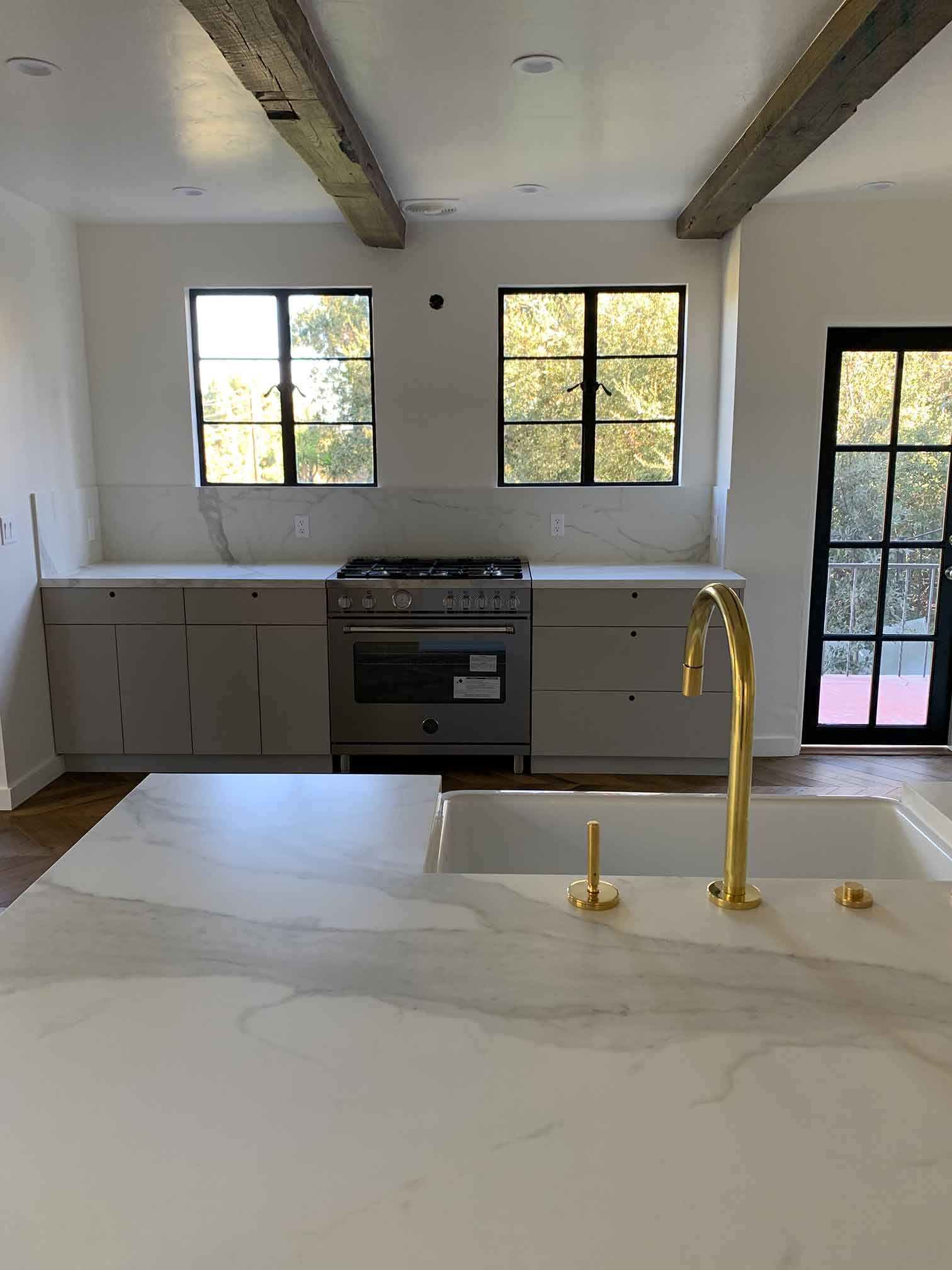
The color story, too, began outside. Nature provides all the colors you need. I lost count of the paint cards propped along the kitchen cabinets until, one afternoon, the sky arrived in a deep, resolute blue, the sort you want to keep, as if it could be bottled and saved for later, and Farrow & Ball offered a shade that matched the vision. The same private obsession played out in tile, the constant arrival of Heath Ceramics samples, lined up, moved an inch to the left, held to the light like fragments of landscape. There was, inevitably, a moment of panic, certain I’d ordered the wrong shade of green, that the whole room would tip too far into mood, only to watch it steady itself as the day moved on, the color doing what good colors do, changing without ever quite leaving itself.

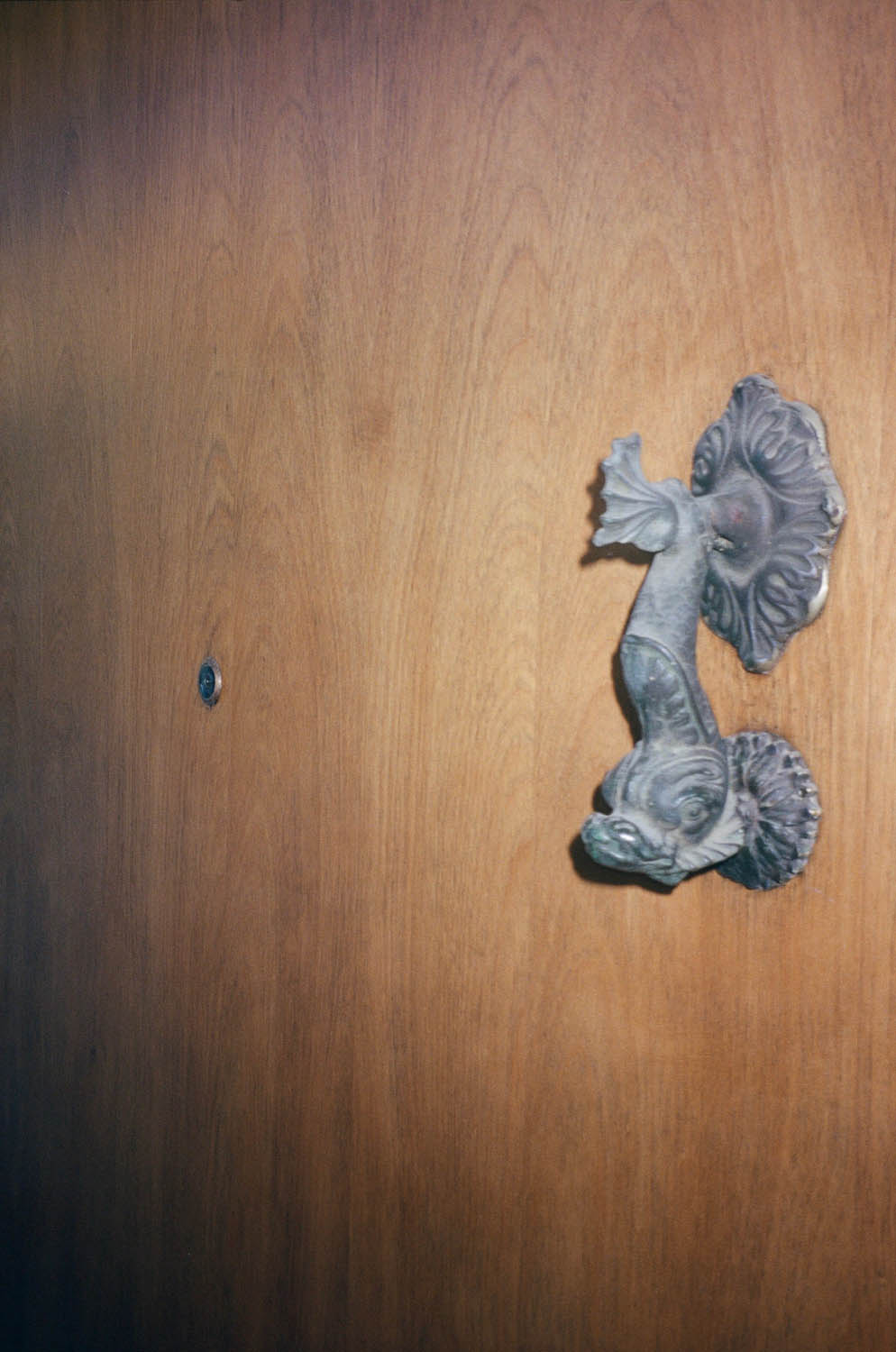
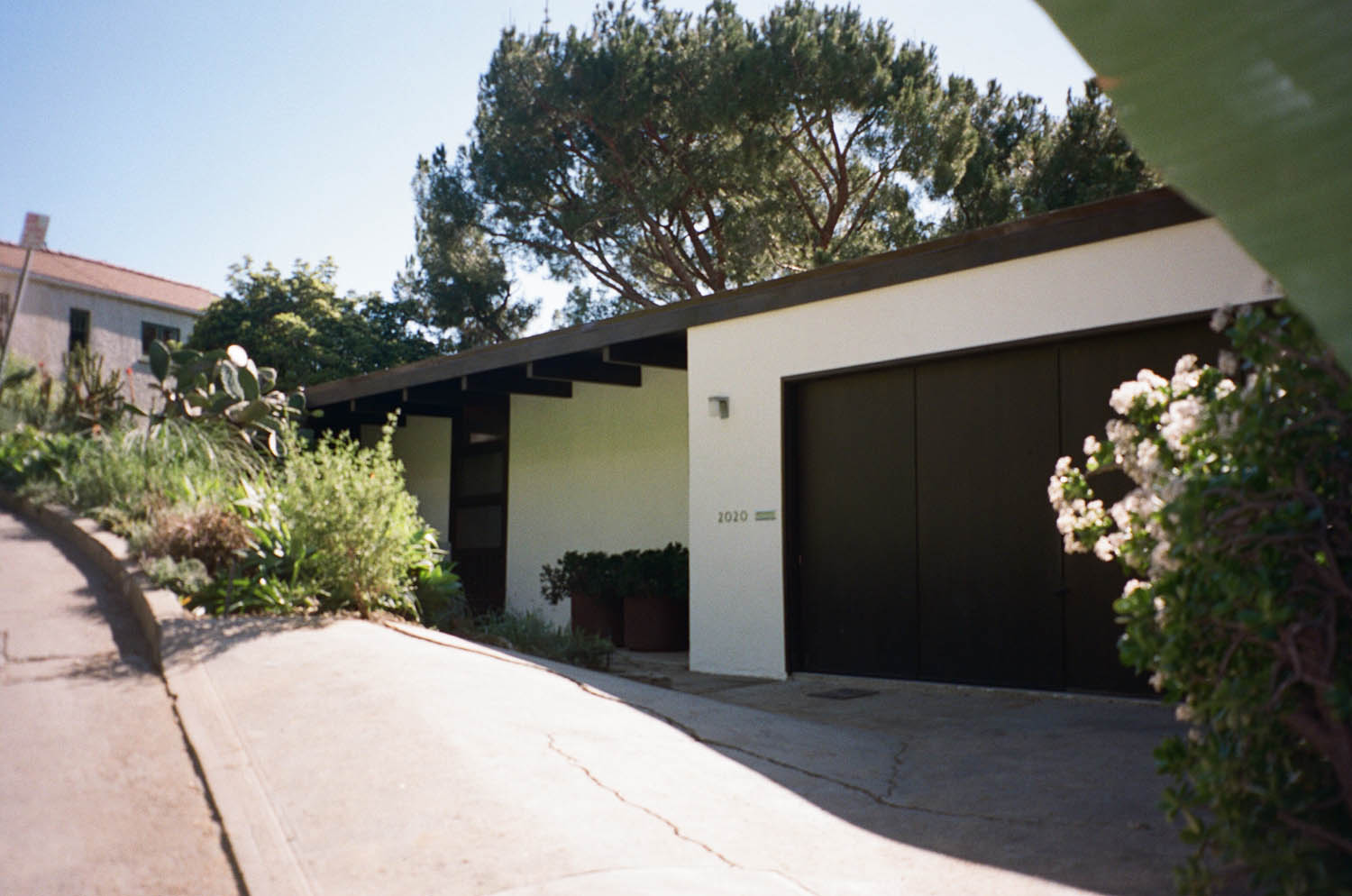
We made small pilgrimages to Pasadena Architectural Salvage for pieces that arrived with a history, things that felt less added than recovered. We found ourselves drawn to the local and the already lived in, partly out of principle, partly because it simply made sense for a 1957 Midcentury to be filled with pieces from its own time. All of the kitchen hardware came from Nickey Kehoe, another layer of material and detail chosen for warmth, character, and a sense of continuity.

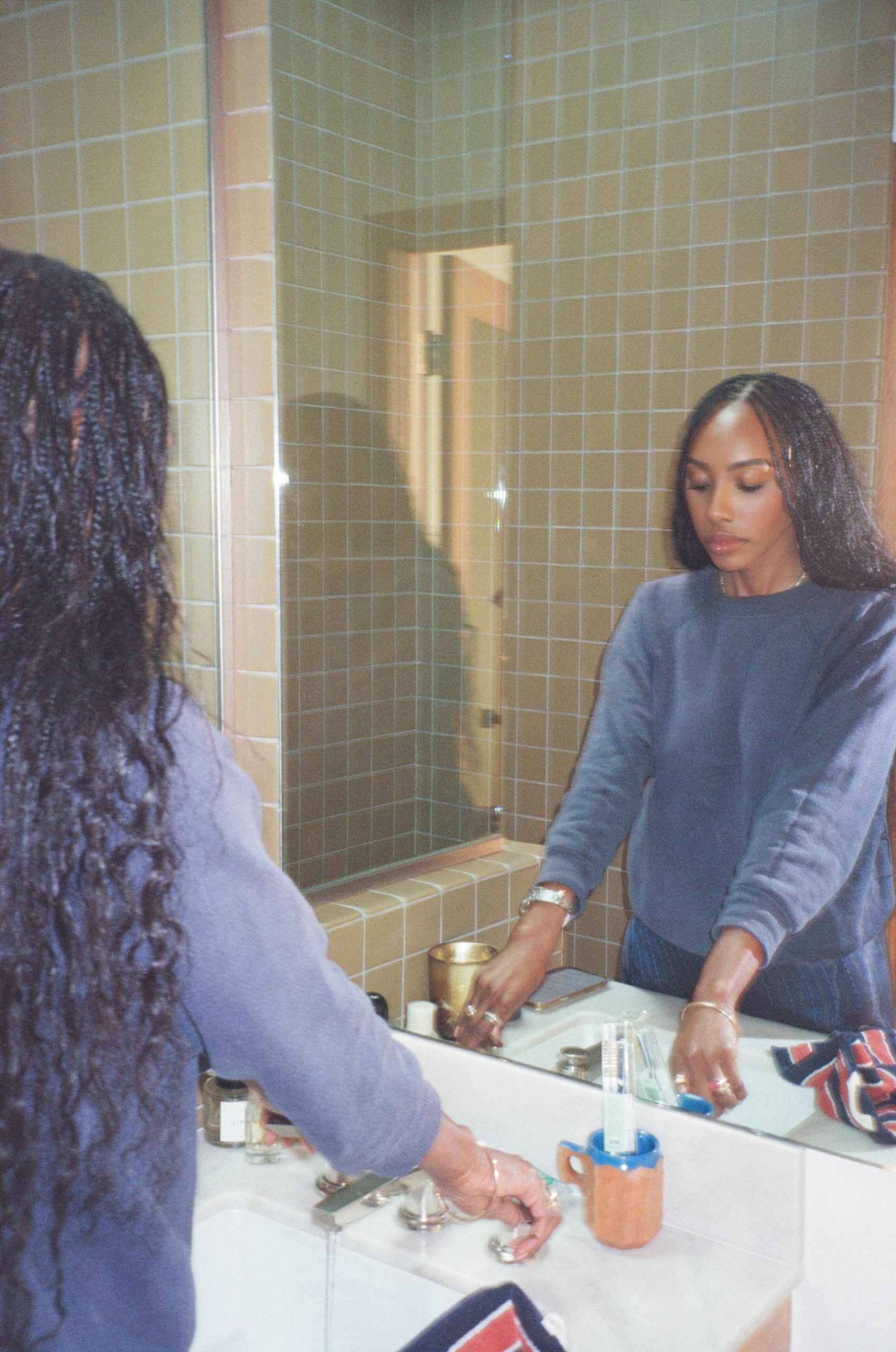
Preservation, inevitably, becomes a conversation about recreation, about how closely you chase a past that can’t be repeated, and what you choose to carry forward instead. I kept asking myself not what we were “restoring,” so much as what we were leaving behind. I worked with Los Angeles–based architectural designer Ryan Hines on the bathroom and deck, and on restoring the house to its original footprint.

And thank you to McCall Cadenas for keeping the photographs honest, and for letting the house be the spectacle.

Play Video